
Learn about Testosterone 250 mg Injection, its medical uses, testosterone replacement therapy, potential benefits, precautions, side effects, and frequently asked questions.
Testosterone 250 mg Injection
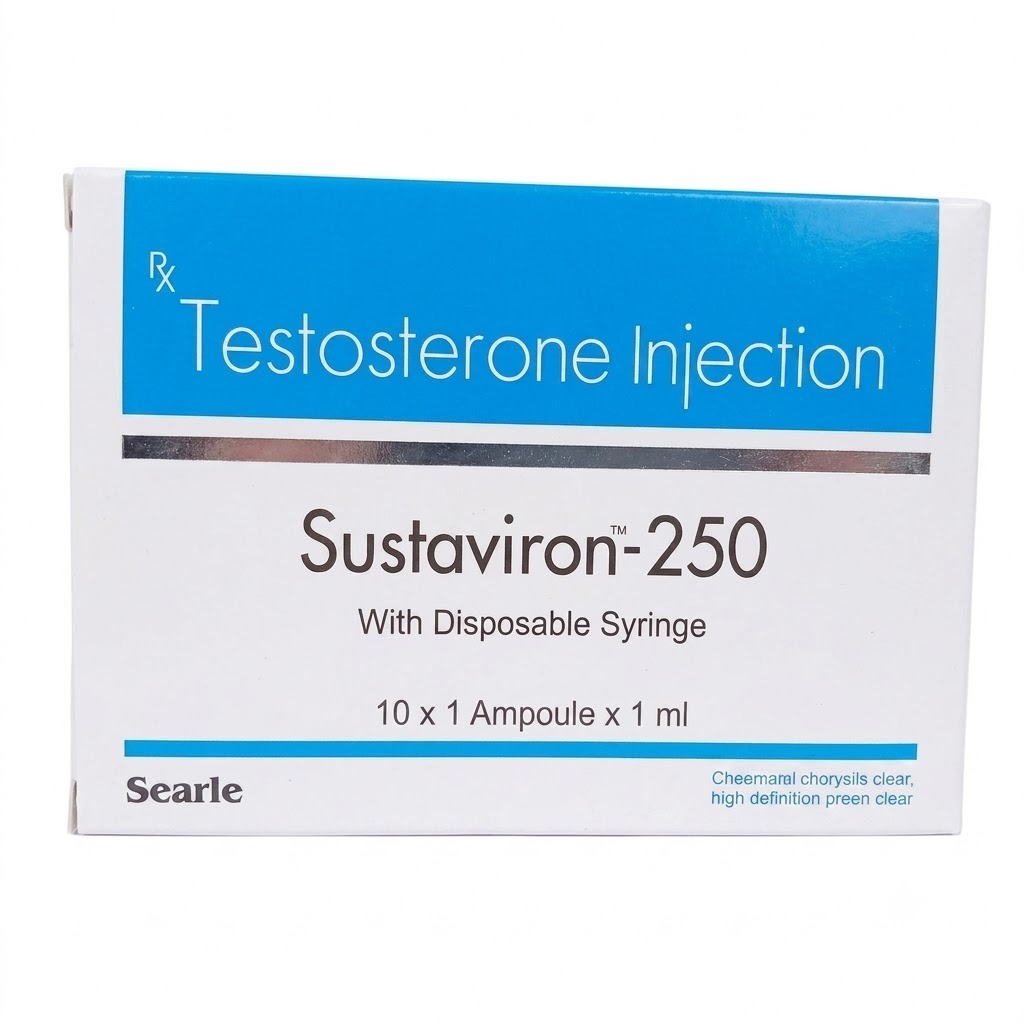
Testosterone 250 mg Injection is a prescription testosterone medicine used in appropriate patients to replace or supplement testosterone when medically diagnosed testosterone deficiency requires treatment.
Testosterone is an essential hormone involved in reproductive function, muscle and bone maintenance, red blood cell production, and other physiological processes. Injectable testosterone products are available in different formulations and esters, so the exact properties, dosing interval, and approved uses depend on the specific product.
Sky High Medex provides pharmaceutical product information and sourcing support subject to applicable prescription, import, export, and destination-country regulations.
Important: Testosterone injections are prescription medicines. They should be used only under the supervision of a qualified healthcare professional. The information below is educational and is not a substitute for medical advice.
What Is Testosterone 250 mg Injection?
Testosterone 250 mg Injection contains a testosterone preparation at a labeled strength of 250 mg. The exact testosterone ester or formulation should be confirmed from the product packaging and prescribing information because different injectable testosterone products have different pharmacokinetic characteristics.
Testosterone is an androgen hormone naturally produced primarily by the testes in males, with smaller amounts produced by the adrenal glands and ovaries.
Medically supervised testosterone therapy aims to restore testosterone concentrations when deficiency has been appropriately diagnosed.
What Is Testosterone 250 mg Injection Used For?
Testosterone Replacement Therapy
The principal medical use of injectable testosterone is testosterone replacement therapy (TRT) in appropriately diagnosed patients with testosterone deficiency associated with an underlying medical condition.
Low testosterone may be associated with symptoms such as:
- Reduced libido
- Reduced energy
- Decreased muscle mass
- Reduced bone density
- Changes in mood
- Reduced sexual function
- Reduced production of sperm in some conditions
A diagnosis should not be based solely on symptoms. Healthcare professionals generally evaluate symptoms together with appropriately timed laboratory testosterone measurements and the underlying cause.
Testosterone Deficiency
Testosterone deficiency can occur for different reasons, including disorders affecting the testes, pituitary gland, hypothalamus, or certain systemic medical conditions.
Before testosterone treatment is started, healthcare professionals may investigate the underlying cause and consider whether testosterone replacement is appropriate.
How Does Testosterone Injection Work?
Testosterone binds to androgen receptors throughout the body and influences gene expression and physiological processes associated with androgen activity.
Testosterone contributes to:
- Development and maintenance of male reproductive tissues
- Maintenance of muscle mass
- Bone health
- Red blood cell production
- Libido and sexual function
- General androgen-dependent physiological functions
The effect of an injectable product depends on its specific testosterone ester, formulation, dose, and administration schedule.
Potential Benefits of Testosterone Replacement Therapy
When prescribed for confirmed testosterone deficiency, testosterone therapy may provide clinically meaningful benefits.
May Improve Testosterone Levels
Replacement therapy can restore testosterone concentrations toward an appropriate physiological range in suitable patients.
May Improve Sexual Symptoms
Some men with confirmed testosterone deficiency may experience improvement in libido and other testosterone-related sexual symptoms.
May Support Muscle Maintenance
Testosterone contributes to the maintenance of muscle mass and strength.
Supports Bone Health
Testosterone plays a role in maintaining bone mineral density.
Supports Red Blood Cell Production
Androgen activity contributes to erythropoiesis, although excessive testosterone exposure can result in abnormally high red blood cell counts.
Testosterone 250 mg Injection Is Not a General Energy Booster
Testosterone should not be used simply to increase energy, improve athletic performance, or enhance physical appearance without an appropriate medical indication.
Using testosterone at doses or schedules different from those prescribed can increase the risk of serious adverse effects.
Medical treatment should focus on correcting clinically significant testosterone deficiency rather than achieving unnecessarily high testosterone concentrations.
Testosterone 250 mg Injection Dosage
There is no universal dosing schedule for every 250 mg testosterone injection.
The appropriate dose and interval depend on:
- The specific testosterone formulation
- Testosterone levels
- Age
- Diagnosis
- Treatment response
- Symptoms
- Other medical conditions
- Laboratory monitoring
The number 250 mg on a product label does not by itself determine how frequently the medicine should be administered.
Patients should follow the prescribing instructions for their specific product and should not adjust the dose independently.
How Is Testosterone Injection Administered?
Testosterone injections are administered according to the specific product's approved route and instructions.
Depending on the formulation, administration may involve an intramuscular injection or another approved route.
Injection technique, site selection, dosage, and administration interval should be determined by a healthcare professional.
Monitoring During Testosterone Therapy
Regular monitoring is an important part of medically supervised testosterone replacement.
Depending on the patient, healthcare professionals may monitor:
- Testosterone levels
- Hemoglobin and hematocrit
- Blood pressure
- Symptoms and treatment response
- Prostate-related health
- Lipid profile when clinically appropriate
- Liver-related parameters when indicated
The monitoring plan depends on the patient's age, medical history, formulation, and treatment goals.
Possible Side Effects of Testosterone Injection
Testosterone therapy can cause adverse effects.
Potential effects include:
- Acne or oily skin
- Fluid retention
- Increased red blood cell count
- Changes in cholesterol levels
- Breast enlargement or tenderness
- Mood changes
- Changes in libido
- Injection-site discomfort
- Reduced sperm production
- Increased blood pressure
Some adverse effects can become more significant with excessive or inappropriate testosterone exposure.
Testosterone and Fertility
An important consideration is that exogenous testosterone can suppress the body's natural production of testosterone and sperm.
For this reason, testosterone replacement may reduce sperm production and fertility in men.
Men who are planning to have children should discuss fertility goals with their healthcare professional before beginning testosterone therapy.
Testosterone and Prostate Health
Testosterone therapy requires appropriate consideration of prostate health.
Healthcare professionals may assess prostate-related risk before and during treatment depending on the patient's age, symptoms, medical history, and applicable clinical guidelines.
Patients should report urinary changes or other concerning symptoms to their healthcare professional.
Testosterone and Cardiovascular Health
Testosterone can affect fluid balance, blood pressure, and red blood cell production.
Patients with cardiovascular conditions or risk factors should discuss these issues with their healthcare professional before treatment.
A significant increase in hematocrit can increase blood viscosity and requires appropriate medical management.
Who Should Not Use Testosterone Without Medical Evaluation?
Testosterone should not be used without a proper medical assessment, particularly in individuals with certain conditions.
Tell your healthcare professional if you have:
- Prostate or breast cancer
- Significant cardiovascular disease
- High hematocrit
- Sleep apnea
- Liver or kidney disease
- Fertility concerns
- Urinary symptoms
- A history of blood clots
The suitability of testosterone treatment must be determined individually.
Frequently Asked Questions (FAQs)
What is Testosterone 250 mg Injection?
It is a prescription injectable testosterone preparation labeled at a strength of 250 mg. The exact ester and formulation should be confirmed from the product packaging.
What is Testosterone 250 mg Injection used for?
It may be used for testosterone replacement in appropriately diagnosed patients with testosterone deficiency when injectable therapy is medically indicated.
What are the benefits of testosterone replacement therapy?
In suitable patients with confirmed testosterone deficiency, therapy may improve testosterone levels and help address symptoms such as reduced libido and other testosterone-deficiency-related effects.
Is Testosterone 250 mg Injection a steroid?
Testosterone is an androgenic-anabolic steroid hormone naturally produced by the body. Pharmaceutical testosterone is used medically for hormone replacement when indicated.
Can testosterone increase muscle mass?
Testosterone contributes to muscle development and maintenance. However, testosterone should not be used without medical indication for bodybuilding or athletic performance enhancement.
Can Testosterone 250 mg Injection improve fertility?
Not necessarily. In fact, external testosterone can suppress sperm production and may reduce fertility in men.
How often should Testosterone 250 mg Injection be taken?
The dosing interval depends on the specific testosterone ester and formulation. Patients should follow the schedule prescribed for their particular product.
What are common side effects of testosterone injections?
Potential side effects include acne, fluid retention, increased hematocrit, blood-pressure changes, mood changes, breast tenderness, and suppression of sperm production.
Does testosterone affect sperm production?
Yes. Exogenous testosterone can suppress natural testosterone production and sperm production.
Is testosterone therapy suitable for everyone with low testosterone?
No. Testosterone therapy is appropriate only for selected patients after appropriate clinical and laboratory evaluation.
Does testosterone require regular blood tests?
Monitoring is commonly recommended during testosterone therapy. The healthcare professional may assess testosterone levels, hematocrit, blood pressure, and other parameters as appropriate.
Can women use Testosterone 250 mg Injection?
Testosterone has limited, specialized medical uses in women and requires specialist assessment. A 250 mg injectable testosterone product should not be used by women without specific medical direction.
Can Testosterone 250 mg Injection be self-administered?
Administration depends on the specific product and local prescribing instructions. Injectable testosterone should be used and administered according to professional medical guidance.
Is Testosterone 250 mg Injection available by prescription?
Testosterone injections are prescription medicines in many countries, and regulatory requirements vary by jurisdiction.
Does Sky High Medex provide Testosterone 250 mg Injection?
Sky High Medex provides pharmaceutical product information and sourcing support subject to applicable prescription, import, export, and destination-country requirements.
Why Choose Sky High Medex?
Sky High Medex supports pharmaceutical sourcing and supply while recognizing the regulatory requirements applicable to prescription medicines.
Our pharmaceutical support may include:
- Product sourcing
- Wholesale procurement
- Bulk supply
- International export support
- Product documentation assistance
- Packaging support
- Customer service
Availability and shipping conditions depend on the destination country's regulations and the legal classification of the medicine.
Conclusion
Testosterone 250 mg Injection is a prescription testosterone preparation that may be used for medically diagnosed testosterone deficiency when injectable testosterone replacement is appropriate. Testosterone plays important roles in reproductive function, muscle maintenance, bone health, red blood cell production, and other physiological processes.
Because different testosterone injections contain different esters and have different dosing characteristics, the exact product formulation should always be verified before treatment. Appropriate diagnosis, individualized dosing, laboratory monitoring, and medical supervision are essential.
Testosterone should not be used for bodybuilding, athletic performance enhancement, or self-treatment without a legitimate medical indication.
For pharmaceutical product information and sourcing support, Sky High Medex provides services subject to applicable prescription, import, export, and destination-country regulations.