
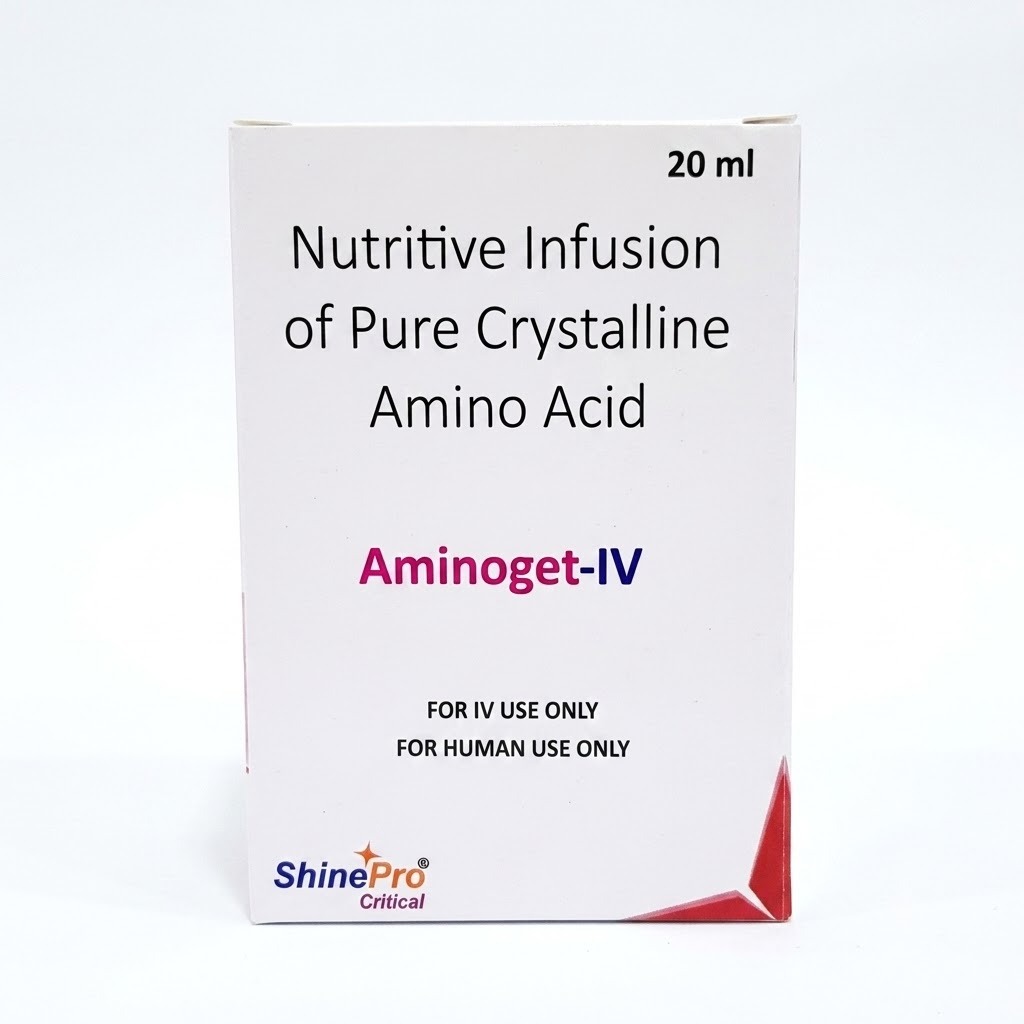
Learn about Nutritive Infusion of Pure Crystalline Amino Acid, its nutritional uses, potential benefits, administration, safety considerations, and frequently asked questions.
Nutritive Infusion of Pure Crystalline Amino Acid
Nutritive Infusion of Pure Crystalline Amino Acid is a medical nutritional infusion containing crystalline amino acids. Amino acids are the fundamental components of proteins and play important roles in tissue formation, enzyme production, immune function, and numerous metabolic processes.
Amino acid infusions are generally used as part of parenteral nutrition (PN) when a patient cannot obtain adequate protein or nutritional requirements through normal oral or enteral feeding.
The exact composition, concentration, indications, and administration requirements depend on the specific formulation and manufacturer.
Sky High Medex provides pharmaceutical product information and sourcing support subject to applicable prescription, import, export, and destination-country regulations.
Medical Disclaimer: This article is for educational purposes only. Intravenous amino acid preparations should be used under the supervision of qualified healthcare professionals and are not intended for self-administration.
What Is a Pure Crystalline Amino Acid Infusion?
A pure crystalline amino acid infusion is a sterile intravenous solution containing individual amino acids in crystalline form.
Amino acids supplied intravenously can provide the nitrogen and amino acid building blocks needed for protein synthesis when normal nutritional intake is inadequate or impossible.
Depending on the formulation, an amino acid infusion may contain a combination of:
- Essential amino acids
- Non-essential amino acids
- Conditionally essential amino acids
- Electrolytes or other nutritional components, depending on the product
The precise ingredient profile should always be checked against the manufacturer's label.
What Are Amino Acids?
Amino acids are organic compounds that serve as the building blocks of proteins.
The body uses amino acids for many important functions, including:
- Building and repairing tissues
- Producing enzymes
- Producing hormones and other biological molecules
- Supporting immune function
- Maintaining muscle protein
- Supporting metabolic processes
- Contributing to wound healing
Some amino acids must be obtained from food because the body cannot produce sufficient amounts of them. These are called essential amino acids.
What Is Nutritive Amino Acid Infusion Used For?
Amino acid infusions are primarily used to provide protein-related nutritional support when oral or enteral nutrition is inadequate or not possible.
Potential clinical applications include:
1. Parenteral Nutrition
Amino acid solutions are commonly used as the protein component of parenteral nutrition, which provides nutrients directly into the bloodstream.
Parenteral nutrition may be considered when the gastrointestinal tract cannot be used effectively or when nutritional requirements cannot be adequately met through oral or enteral feeding.
2. Supporting Protein Requirements
Intravenous amino acids can help supply amino acids needed for protein synthesis in patients who have increased nutritional requirements or insufficient nutritional intake.
3. Nutritional Support During Recovery
Patients recovering from major illness, surgery, trauma, or other conditions may have increased protein requirements. Amino acid solutions can form part of a carefully designed nutritional-support program.
4. Prevention or Management of Protein Deficiency
When appropriate nutritional intake is not possible, amino acid infusion can contribute to maintaining nitrogen balance and supporting protein metabolism.
Potential Benefits of Nutritive Infusion of Pure Crystalline Amino Acid
When appropriately prescribed and incorporated into a complete nutritional plan, amino acid infusion may offer several benefits.
Provides Amino Acids Directly
Intravenous administration allows amino acids to enter systemic circulation without relying on gastrointestinal absorption.
Supports Protein Synthesis
Amino acids provide the raw materials required for the synthesis of body proteins.
Helps Maintain Lean Tissue
Adequate protein and amino acid availability can help support muscle and other lean tissues during periods of illness or inadequate nutritional intake.
Supports Recovery
Adequate nutritional support is an important component of recovery following surgery, trauma, severe illness, and other situations associated with increased nutritional demands.
Can Be Used When Oral Feeding Is Not Appropriate
Parenteral nutrition provides an alternative nutritional route when oral or enteral nutrition cannot meet nutritional requirements.
How Does an Amino Acid Infusion Work?
Once administered intravenously, the amino acids become available for use by tissues throughout the body.
The body can use them to:
- Produce proteins
- Support tissue maintenance and repair
- Produce enzymes and other biological compounds
- Contribute to metabolic pathways
- Support nitrogen balance
However, amino acids are only one component of complete nutritional support. Depending on the patient's needs, parenteral nutrition may also require:
- Dextrose
- Lipids
- Electrolytes
- Vitamins
- Trace elements
- Water
The formulation should therefore be individualized by a healthcare professional or clinical nutrition team.
Who May Require Amino Acid Infusion?
Amino acid infusion may be considered for patients whose nutritional requirements cannot be adequately met through oral or enteral feeding.
Potential situations include:
- Severe gastrointestinal dysfunction
- Prolonged inability to eat
- Certain surgical conditions
- Severe illness
- Major trauma
- Significant nutritional deficiency
- Conditions requiring parenteral nutrition
The decision should be based on a complete nutritional assessment rather than the presence of a single symptom.
Amino Acid Infusion and Parenteral Nutrition
Amino acid solutions are commonly incorporated into parenteral nutrition formulations.
A complete PN regimen is designed according to individual requirements and may include:
| Nutritional component | Primary role |
|---|---|
| Amino acids | Protein and nitrogen source |
| Dextrose | Energy source |
| Lipids | Energy and essential fatty acids |
| Electrolytes | Fluid and metabolic balance |
| Vitamins | Essential metabolic functions |
| Trace elements | Enzyme and physiological functions |
| Water | Fluid requirements |
The precise combination depends on the patient's nutritional status, medical condition, laboratory results, age, weight, and organ function.
Dosage and Administration
There is no universal dose for a pure crystalline amino acid infusion.
The amount and infusion rate depend on factors such as:
- Body weight
- Age
- Clinical condition
- Protein requirements
- Energy requirements
- Kidney function
- Liver function
- Fluid status
- Other nutritional sources
- Laboratory values
A healthcare professional should determine the appropriate dosage and infusion rate.
Amino acid infusions should be administered using appropriate sterile intravenous techniques.
Monitoring During Amino Acid Infusion
Patients receiving intravenous nutritional therapy may require regular monitoring.
Depending on the clinical situation, healthcare professionals may monitor:
- Blood glucose
- Electrolytes
- Kidney function
- Liver function
- Fluid balance
- Nitrogen balance
- Serum proteins and nutritional markers where appropriate
- Acid-base status
- Body weight
- Clinical response
Monitoring helps clinicians adjust the nutritional regimen according to changing requirements.
Possible Side Effects and Risks
Amino acid infusions are generally administered in controlled medical settings, but adverse reactions can occur.
Potential complications may include:
- Nausea
- Headache
- Flushing
- Changes in blood glucose
- Electrolyte abnormalities
- Fluid overload
- Changes in acid-base balance
- Abnormal nitrogen levels
- Infusion-related reactions
- Complications related to intravenous access
Patients receiving parenteral nutrition may also experience complications associated with the catheter or the complete nutritional formulation.
Any unusual symptoms during an infusion should be reported immediately to the healthcare professional.
Kidney and Liver Considerations
Patients with impaired kidney or liver function may require special consideration.
Amino acid metabolism produces nitrogen-containing waste products that are normally processed and eliminated by the body.
Therefore, healthcare professionals may need to adjust nutritional therapy according to:
- Kidney function
- Liver function
- Blood urea nitrogen
- Electrolyte levels
- Fluid status
- Overall metabolic condition
Amino acid infusion should not be used without professional evaluation in patients with significant organ dysfunction.
Amino Acid Infusion During Pregnancy
Pregnant patients have increased nutritional requirements, but intravenous amino acid therapy should only be used when clinically indicated.
The formulation and nutritional regimen should be selected by the treating healthcare professional based on maternal and fetal considerations.
Amino Acid Infusion for Children
Children have specialized nutritional requirements that differ from adults.
If amino acid infusion is required in pediatric patients, the formulation, dose, infusion rate, and overall nutritional regimen should be determined by an appropriately qualified healthcare professional.
Frequently Asked Questions (FAQs)
What is Nutritive Infusion of Pure Crystalline Amino Acid?
It is a sterile intravenous nutritional preparation containing crystalline amino acids. It can provide amino acids for protein synthesis and nutritional support when oral or enteral feeding is inadequate.
What is a pure crystalline amino acid infusion used for?
It is primarily used as a source of amino acids in parenteral nutritional support and may be used when patients cannot obtain sufficient protein through normal feeding.
What are the benefits of amino acid infusion?
Potential benefits include providing amino acids for protein synthesis, supporting lean tissue, helping maintain nutritional status, and contributing to recovery when adequate oral or enteral nutrition is not possible.
Are amino acid infusions a complete source of nutrition?
Not necessarily. Amino acids primarily provide a protein/nitrogen source. Complete parenteral nutrition may also require carbohydrates, lipids, electrolytes, vitamins, trace elements, and fluids.
How is amino acid infusion administered?
It is administered intravenously under medical supervision. The exact route, dose, concentration, and infusion rate depend on the specific formulation and patient's nutritional requirements.
Can amino acid infusion be self-administered?
No. Intravenous nutritional preparations should be administered according to professional medical instructions using appropriate sterile techniques.
How is the dose determined?
The dose is individualized according to factors such as body weight, protein requirements, medical condition, kidney and liver function, and other sources of nutrition.
Can amino acid infusion help with muscle recovery?
Amino acids provide the building blocks required for protein synthesis and can contribute to maintaining lean tissue when included in an appropriate nutritional plan. They are not a substitute for medical treatment, adequate nutrition, or rehabilitation.
Are there side effects?
Possible complications include electrolyte abnormalities, fluid imbalance, changes in blood glucose, infusion reactions, and complications associated with intravenous access. The risk depends on the formulation and patient's condition.
Can people with kidney disease receive amino acid infusion?
Possibly, but treatment requires careful medical assessment. Kidney function can influence amino acid and nitrogen metabolism, so nutritional therapy may need to be adjusted.
Can amino acid infusion be used during pregnancy?
It may be used when clinically indicated, but the decision should be made by a qualified healthcare professional based on the patient's nutritional and medical needs.
Does amino acid infusion require monitoring?
Yes. Depending on the patient, healthcare professionals may monitor electrolytes, glucose, kidney and liver function, fluid balance, and other nutritional or metabolic parameters.
Is Nutritive Infusion of Pure Crystalline Amino Acid prescription-only?
Intravenous nutritional preparations are generally medical products administered under professional supervision. Regulatory requirements vary by country and formulation.
Does Sky High Medex supply Nutritive Infusion of Pure Crystalline Amino Acid?
Sky High Medex provides pharmaceutical product information and sourcing support subject to applicable prescription, import, export, and destination-country requirements.
Why Choose Sky High Medex?
Sky High Medex supports pharmaceutical sourcing and supply for healthcare-related products while recognizing applicable regulatory requirements.
Our pharmaceutical support may include:
- Product sourcing
- Wholesale procurement
- Bulk supply
- International export support
- Product documentation assistance
- Packaging support
- Customer service
Product availability, documentation, and shipping conditions depend on the destination country's regulations and the legal classification of the product.
Conclusion
Nutritive Infusion of Pure Crystalline Amino Acid is an important component of nutritional medicine for patients who cannot obtain adequate protein or amino acids through normal oral or enteral nutrition.
By providing amino acids directly through intravenous administration, these preparations can support protein synthesis, tissue maintenance, nutritional status, and recovery when appropriately incorporated into a medically supervised nutritional plan.
Because intravenous nutrition requires careful calculation and monitoring, the appropriate formulation, dosage, infusion rate, and duration should always be determined by qualified healthcare professionals.
For pharmaceutical product information and sourcing support, Sky High Medex provides services subject to applicable prescription, import, export, and destination-country regulations.