
Learn about Liothyronine Sodium Tablets USP 25 mcg, including medical uses, potential benefits, safety considerations, side effects, precautions, and FAQs.
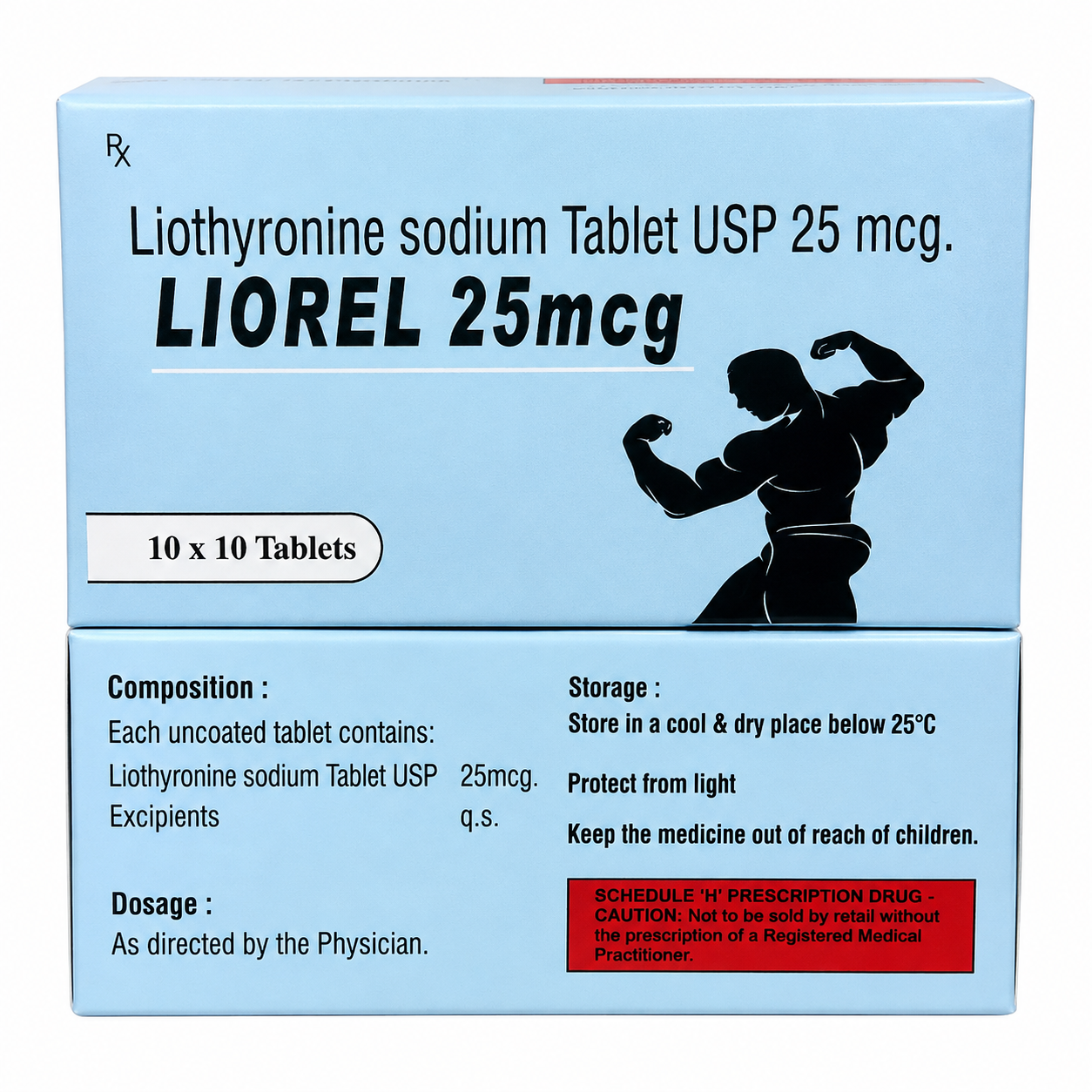
Liothyronine Sodium Tablets USP 25 mcg
Liothyronine Sodium Tablets USP 25 mcg contain liothyronine sodium, the sodium salt of triiodothyronine (T3), one of the naturally occurring thyroid hormones produced by the body.
Thyroid hormones play an important role in regulating metabolism, energy use, body temperature, heart function, and many other physiological processes. Liothyronine is a prescription thyroid hormone medicine used in specific thyroid-related conditions when clinically appropriate.
Unlike levothyroxine, which is synthetic T4, liothyronine provides T3 directly and generally has a faster onset and shorter duration of action. Because thyroid hormone levels need to remain carefully balanced, treatment should be individualized and monitored by a qualified healthcare professional.
Sky High Medex provides pharmaceutical sourcing and international supply support subject to applicable prescription, import, export, and destination-country regulations.
What Is Liothyronine Sodium 25 mcg?
Liothyronine sodium is the synthetic form of the thyroid hormone triiodothyronine (T3).
The 25 mcg strength means each tablet contains 25 micrograms of liothyronine sodium according to the product labeling.
The USP designation refers to United States Pharmacopeia standards when a product has been manufactured and tested according to applicable USP requirements. Exact formulation and quality specifications should always be verified against the manufacturer's official documentation.
What Is Liothyronine Used For?
Liothyronine may be prescribed for certain patients with hypothyroidism, a condition in which the body does not produce sufficient thyroid hormone.
Depending on the clinical situation and applicable product labeling, liothyronine may also have a role in:
- Thyroid hormone replacement
- Selected cases of hypothyroidism
- Certain thyroid diagnostic procedures
- Specific situations where T3 therapy is considered medically appropriate
Treatment decisions depend on the underlying thyroid disorder, laboratory results, symptoms, other medications, and the patient's overall health.
Potential Benefits of Liothyronine Sodium
When appropriately prescribed for a thyroid disorder, liothyronine can provide several therapeutic benefits.
Helps Replace Thyroid Hormone
Liothyronine directly supplies T3, helping address inadequate thyroid hormone availability in appropriate patients.
Supports Normal Metabolism
T3 has an important role in regulating metabolic activity and energy utilization throughout the body.
Supports Cardiovascular Function
Thyroid hormones influence heart rate and cardiovascular function. Maintaining appropriate thyroid hormone levels is therefore important for normal physiology.
Supports Neurological Function
Adequate thyroid hormone levels are important for normal brain and nervous-system function.
Supports Temperature Regulation
Thyroid hormones contribute to the body's regulation of energy expenditure and body temperature.
How Liothyronine Sodium Works
Liothyronine is a form of T3 that binds to thyroid hormone receptors in cells throughout the body. These receptors regulate the expression of genes involved in metabolism, growth, development, and energy utilization.
Because liothyronine acts directly as T3, it can produce physiological effects relatively quickly compared with thyroid hormone preparations that primarily provide T4.
Its relatively short duration of action also means that changes in thyroid hormone exposure can occur more rapidly than with longer-acting thyroid hormone preparations.
Safety Information
Liothyronine is a potent thyroid hormone and should be taken only as prescribed.
Important considerations include:
- Take the medicine exactly according to the prescribed instructions.
- Do not change the dose without medical advice.
- Thyroid function tests may be required during treatment.
- Tell your healthcare professional about heart disease, diabetes, adrenal disorders, or other medical conditions.
- Inform your doctor or pharmacist about all medicines and supplements you take.
- Excess thyroid hormone can place stress on the cardiovascular system.
- Do not use liothyronine as an unsupervised weight-loss treatment.
Taking more thyroid hormone than prescribed does not provide a safe or appropriate method of increasing metabolism or losing weight.
Possible Side Effects
Side effects are more likely when thyroid hormone levels become excessive.
Potential symptoms of excessive thyroid hormone activity include:
- Rapid or irregular heartbeat
- Nervousness or anxiety
- Tremor
- Sweating
- Heat intolerance
- Difficulty sleeping
- Headache
- Muscle weakness
- Increased appetite
- Unexplained weight loss
Long-term excessive thyroid hormone exposure can contribute to cardiovascular complications and bone loss.
Seek medical attention promptly if severe palpitations, chest pain, shortness of breath, or other concerning symptoms occur.
Liothyronine and Heart Health
Liothyronine increases the activity of thyroid hormone in the body and can influence heart rate and cardiac workload.
People with existing cardiovascular disease may require particular caution and closer monitoring.
Older adults and individuals with known heart conditions should discuss the risks and benefits of liothyronine treatment with their healthcare professional before starting therapy.
Liothyronine and Weight Loss
Liothyronine should not be used solely for weight loss in people with normal thyroid function.
Taking thyroid hormone unnecessarily can cause excessive thyroid activity and potentially lead to:
- Abnormal heart rhythms
- Cardiovascular complications
- Muscle loss
- Bone loss
- Anxiety and sleep problems
- Other serious adverse effects
Healthy weight management should be approached through appropriate nutrition, physical activity, and professional medical guidance where necessary.
Drug and Supplement Interactions
Several medicines and supplements can affect thyroid hormone absorption or activity.
Examples include certain:
- Antacids
- Iron supplements
- Calcium supplements
- Cholesterol-lowering medicines
- Anticoagulants
- Diabetes medicines
- Other thyroid medicines
Patients should provide their healthcare professional with a complete list of medicines, vitamins, and supplements before starting liothyronine.
Storage and Handling
Storage requirements should follow the manufacturer's approved product information.
General precautions include:
- Store tablets according to the labeled temperature requirements.
- Keep them in their original packaging.
- Protect from excessive heat and moisture.
- Keep away from children and unauthorized users.
- Do not use expired tablets.
- Do not use tablets if the packaging is damaged or the product appears compromised.
Why Choose Sky High Medex?
Sky High Medex provides pharmaceutical sourcing and international supply support while emphasizing compliance with applicable pharmaceutical regulations.
Our services may include:
- Pharmaceutical product sourcing
- Wholesale procurement
- Bulk supply
- International export support
- Pharmaceutical documentation assistance
- Packaging support
- Customer service
Availability of prescription thyroid medicines depends on applicable prescription requirements, import laws, export regulations, and destination-country requirements.
Frequently Asked Questions (FAQs)
What are Liothyronine Sodium Tablets USP 25 mcg?
Liothyronine Sodium Tablets USP 25 mcg are prescription thyroid hormone tablets containing 25 micrograms of liothyronine sodium per labeled tablet.
What is liothyronine used for?
Liothyronine is primarily used as thyroid hormone replacement in selected patients with hypothyroidism. It may also have specific diagnostic applications under medical supervision.
What does 25 mcg mean?
The 25 mcg strength means that each labeled tablet contains 25 micrograms of liothyronine sodium.
Is liothyronine the same as T3?
Liothyronine is the synthetic pharmaceutical form of triiodothyronine (T3).
Is liothyronine the same as levothyroxine?
No. Liothyronine is T3, while levothyroxine is synthetic T4. The body normally converts T4 into T3 as part of thyroid hormone metabolism.
What are the potential benefits of liothyronine?
When medically appropriate, liothyronine can help replace deficient thyroid hormone and support normal metabolism, energy utilization, cardiovascular function, and other physiological processes.
Can liothyronine help with weight loss?
Liothyronine is not recommended as a weight-loss medicine for people with normal thyroid function. Excess thyroid hormone can cause serious cardiovascular and metabolic complications.
What are the common side effects?
Excess thyroid hormone may cause rapid heartbeat, tremor, sweating, anxiety, insomnia, heat intolerance, muscle weakness, and weight loss.
Can liothyronine affect the heart?
Yes. Excessive thyroid hormone can increase heart rate and cardiac workload and may cause abnormal heart rhythms. People with heart disease require appropriate medical assessment.
Does liothyronine require monitoring?
Yes. Healthcare professionals may monitor thyroid function through laboratory testing and adjust treatment according to the patient's clinical response and test results.
Can liothyronine interact with other medicines?
Yes. Several medicines and supplements can affect liothyronine absorption or its effects. Always inform your healthcare professional about everything you take.
Does Sky High Medex supply Liothyronine Sodium Tablets USP 25 mcg internationally?
Sky High Medex can provide information regarding pharmaceutical sourcing and availability subject to applicable prescription, import, export, and destination-country requirements.
Conclusion
Liothyronine Sodium Tablets USP 25 mcg provide the thyroid hormone T3 and may be used as thyroid hormone replacement in selected medical circumstances. By supplying T3 directly, liothyronine can have relatively rapid physiological effects compared with T4-based therapy.
Because thyroid hormone levels must remain within an appropriate range, liothyronine should be used only under qualified medical supervision. Taking excessive thyroid hormone for weight loss or performance enhancement can cause serious health problems.
Sky High Medex supports responsible pharmaceutical sourcing and international supply while emphasizing compliance with applicable laws and regulatory requirements.