
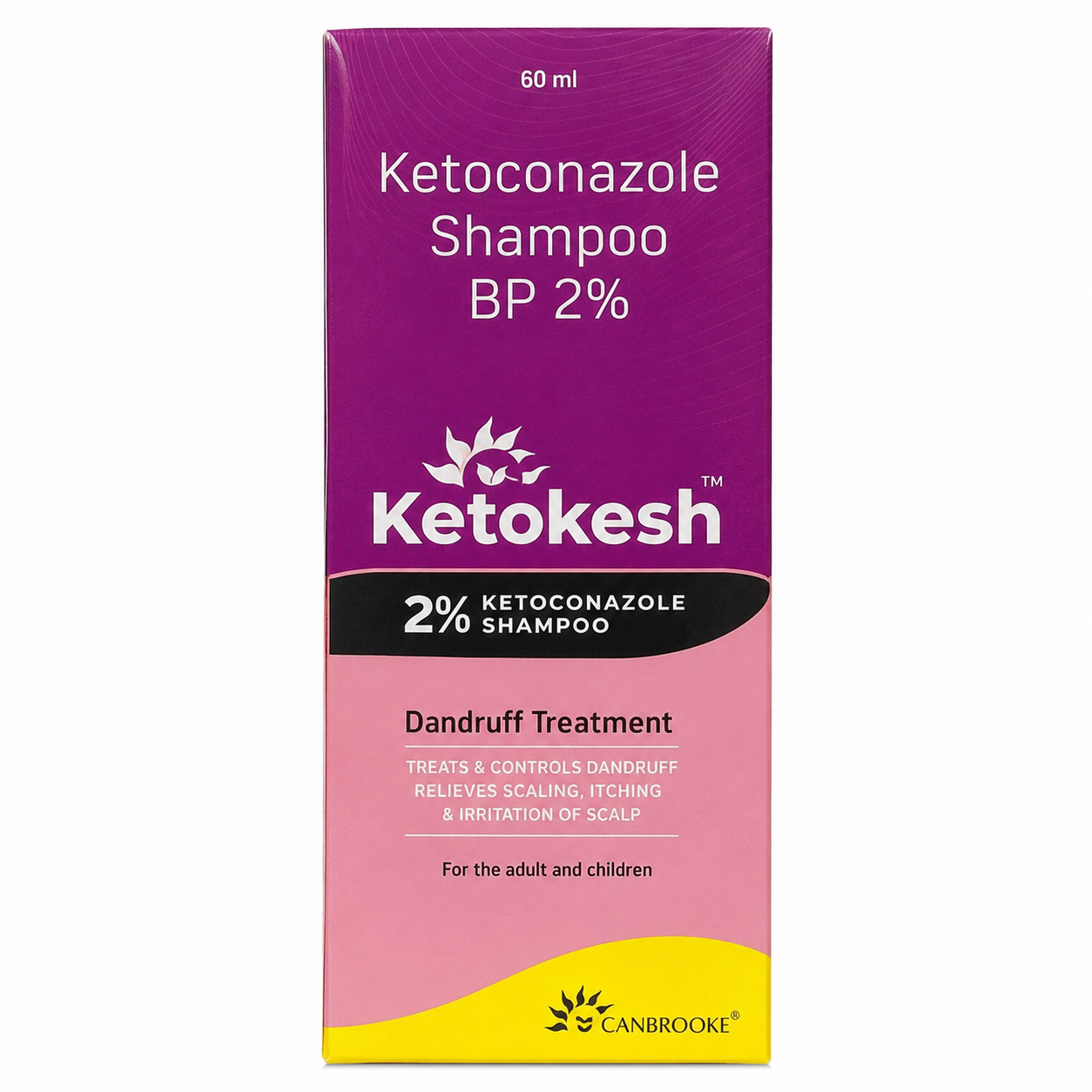
Learn about Ketoconazole Shampoo 2% 100ml, including its uses for dandruff and seborrheic dermatitis, benefits, how it works, precautions, side effects, and FAQs.
Ketoconazole Shampoo 2% 100ml
Ketoconazole Shampoo 2% 100ml is a topical antifungal shampoo used to manage certain fungal and yeast-related scalp conditions. It contains ketoconazole, an antifungal medicine belonging to the imidazole class.
Ketoconazole shampoo is commonly associated with the management of dandruff and seborrheic dermatitis, conditions that may involve an overgrowth of Malassezia yeast on the skin.
The 2% formulation provides a topical concentration of ketoconazole intended for use on the scalp and, depending on the product labeling, other affected skin areas.
Sky High Medex supports pharmaceutical product sourcing subject to applicable product, prescription, import, export, and destination-country regulations.
What Is Ketoconazole Shampoo 2%?
Ketoconazole 2% shampoo contains ketoconazole as its active antifungal ingredient. Unlike an ordinary cosmetic shampoo, it is formulated for therapeutic use against certain fungal or yeast-associated skin conditions.
The 100ml designation refers to the volume of shampoo contained in the bottle.
Ketoconazole works by interfering with the production of ergosterol, an essential component of fungal cell membranes. This helps inhibit the growth of susceptible fungi and yeasts.
What Is Ketoconazole Shampoo 2% Used For?
Ketoconazole shampoo may be used for several dermatological conditions, depending on the specific product's approved labeling.
1. Dandruff
Ketoconazole shampoo is widely used to help manage dandruff associated with Malassezia yeast.
Dandruff may cause:
- White or yellowish flakes
- Scalp itching
- Dry or oily scaling
- Mild scalp irritation
By reducing susceptible yeast on the scalp, ketoconazole can help control these symptoms.
2. Seborrheic Dermatitis
Seborrheic dermatitis is a common inflammatory skin condition that can affect areas rich in oil-producing glands, including the scalp.
Ketoconazole shampoo may help reduce the fungal component associated with seborrheic dermatitis and improve symptoms such as scaling and itching.
3. Certain Superficial Fungal Conditions
Some ketoconazole shampoo formulations may have additional dermatological indications. The appropriate use depends on the specific product and local approved labeling.
How Does Ketoconazole Shampoo Work?
Ketoconazole belongs to the azole antifungal family.
Fungi and yeasts require ergosterol to maintain the integrity of their cell membranes. Ketoconazole interferes with enzymes involved in ergosterol production.
This disruption can impair the fungal cell membrane and inhibit the growth of susceptible organisms.
When used on the scalp, ketoconazole acts locally to help control susceptible fungal or yeast populations associated with certain skin conditions.
Potential Benefits of Ketoconazole Shampoo 2%
Helps Control Dandruff
Ketoconazole can help reduce dandruff associated with susceptible Malassezia yeast.
Helps Reduce Scalp Scaling
Regular therapeutic use may help control excessive flaking and scaling associated with dandruff and seborrheic dermatitis.
May Relieve Itching
As the underlying yeast-associated condition improves, symptoms such as scalp itching may also decrease.
Antifungal Action
Ketoconazole provides targeted antifungal activity against susceptible fungi and yeasts.
Convenient Shampoo Form
The shampoo formulation makes it practical to apply the medicine directly to the scalp and affected skin areas when indicated.
Ketoconazole Shampoo for Seborrheic Dermatitis
Seborrheic dermatitis can cause recurring redness, itching, and greasy or flaky scales on the scalp.
The condition is associated with several factors, including skin oil production, inflammatory responses, and Malassezia yeast.
Ketoconazole shampoo can be incorporated into a treatment plan to reduce the fungal component and help control recurring symptoms.
Because seborrheic dermatitis can be chronic or recurrent, some individuals may require periodic maintenance treatment according to professional advice.
Ketoconazole Shampoo and Dandruff
Not all dandruff is caused by the same problem. Mild scalp flaking can result from dryness, irritation, product buildup, or other dermatological conditions.
When dandruff is associated with Malassezia, an antifungal shampoo such as ketoconazole may be appropriate.
If symptoms continue despite appropriate use, medical evaluation can help determine whether another scalp condition is responsible.
How to Use Ketoconazole Shampoo 2%
Use the product according to the manufacturer's instructions or the directions provided by your healthcare professional.
General application principles may include:
- Wet the scalp and hair thoroughly.
- Apply an appropriate amount of shampoo to the affected scalp.
- Massage gently to create a lather.
- Allow the product to remain on the scalp for the time specified in the product instructions.
- Rinse thoroughly.
- Avoid contact with the eyes.
The recommended frequency and duration depend on the condition being treated and the specific product labeling.
Do not use the shampoo more frequently than recommended unless advised by a healthcare professional.
Important Precautions
Before using Ketoconazole Shampoo 2%, consider the following precautions:
- For external use only unless specifically directed otherwise.
- Avoid contact with the eyes.
- Do not swallow the product.
- Avoid applying it to severely irritated or damaged skin unless instructed.
- Stop use and seek medical advice if significant irritation develops.
- Tell your healthcare professional about known allergies to ketoconazole or other antifungal medicines.
- Keep the product away from children.
- Follow the manufacturer's storage instructions.
If symptoms become worse or fail to improve, professional evaluation may be appropriate.
Possible Side Effects
Ketoconazole shampoo is generally intended for topical use, but local reactions can occur.
Possible side effects include:
- Burning or stinging
- Itching
- Redness
- Dryness
- Skin irritation
- Changes in hair texture
- Increased or decreased oiliness
- Temporary scalp discomfort
Serious allergic reactions are uncommon but require immediate medical attention. Seek urgent care if severe swelling, difficulty breathing, or widespread allergic symptoms occur.
Ketoconazole Shampoo and Hair Loss
Ketoconazole shampoo is not primarily a hair-growth medicine.
People sometimes use ketoconazole shampoo as part of hair and scalp-care routines because scalp inflammation and dandruff can contribute to discomfort and scratching.
However, ketoconazole should not be marketed as a proven standalone treatment for common causes of hair loss. Persistent or significant hair loss should be evaluated by a dermatologist or other qualified healthcare professional.
Can Ketoconazole Shampoo Be Used on the Face?
Some ketoconazole formulations may be prescribed or labeled for use on affected facial skin, including certain cases of seborrheic dermatitis.
However, shampoo formulations are not automatically suitable for every facial condition. The face can also be more sensitive to ingredients such as detergents and preservatives.
Follow the specific product instructions and seek professional advice before using it on facial skin.
Ketoconazole Shampoo vs. Regular Anti-Dandruff Shampoo
Regular cosmetic anti-dandruff shampoos may contain ingredients designed to reduce flaking and scalp buildup, while ketoconazole 2% is an antifungal medicine.
| Feature | Ketoconazole Shampoo 2% | Regular Anti-Dandruff Shampoo |
|---|---|---|
| Main purpose | Antifungal treatment | Dandruff/scalp-care support |
| Active ingredient | Ketoconazole | Varies by product |
| Antifungal activity | Yes, against susceptible organisms | Depends on formulation |
| Common use | Dandruff and seborrheic dermatitis | Routine dandruff management |
| Medical product | Depending on local classification | Often cosmetic or OTC |
The most suitable product depends on the cause and severity of the scalp condition.
Tips for Managing Dandruff
Alongside appropriate treatment, healthy scalp-care habits may help:
- Wash the scalp regularly.
- Avoid excessive scratching.
- Follow the recommended treatment schedule.
- Avoid sharing combs, brushes, towels, or hats.
- Rinse shampoo thoroughly.
- Avoid excessive use of irritating styling products.
- Seek medical advice for persistent or severe symptoms.
When Should You See a Doctor?
Professional evaluation may be useful if:
- Dandruff is severe or widespread.
- There is significant scalp redness or swelling.
- The scalp develops painful sores.
- Hair loss occurs along with scalp symptoms.
- Symptoms do not improve with appropriate treatment.
- The condition repeatedly returns.
- The diagnosis is uncertain.
Other conditions, including psoriasis, eczema, contact dermatitis, and bacterial infections, can resemble dandruff.
Storage and Handling
Follow the storage requirements printed on the product packaging.
General precautions include:
- Keep the bottle tightly closed.
- Store under the recommended temperature conditions.
- Protect from excessive heat.
- Keep away from direct sunlight when specified.
- Keep out of reach of children.
- Do not use beyond the expiration date.
Why Choose Sky High Medex?
Sky High Medex supports pharmaceutical product sourcing and international supply while emphasizing responsible handling and applicable regulatory requirements.
Our services may include:
- Pharmaceutical product sourcing
- Wholesale procurement
- Bulk supply
- International export support
- Product documentation assistance
- Packaging support
- Customer service
Availability and supply requirements may vary according to the product classification and destination-country regulations.
Frequently Asked Questions (FAQs)
What is Ketoconazole Shampoo 2% 100ml?
Ketoconazole Shampoo 2% 100ml is a topical antifungal shampoo containing 2% ketoconazole. It is commonly used to manage dandruff and seborrheic dermatitis associated with susceptible yeast.
What is Ketoconazole Shampoo 2% used for?
It is commonly used for dandruff and seborrheic dermatitis and may have other approved dermatological uses depending on the specific product labeling.
How does Ketoconazole Shampoo work?
Ketoconazole interferes with ergosterol production in susceptible fungi and yeasts, disrupting their cell membranes and inhibiting their growth.
Can Ketoconazole Shampoo help with dandruff?
Yes. Ketoconazole shampoo can help control dandruff associated with susceptible Malassezia yeast.
Can Ketoconazole Shampoo treat seborrheic dermatitis?
It may be used to help manage the fungal component of seborrheic dermatitis. Treatment should follow the specific product instructions or professional advice.
How often should Ketoconazole Shampoo 2% be used?
The recommended frequency varies according to the condition and product labeling. Follow the instructions provided with the specific product or those given by your healthcare professional.
Can Ketoconazole Shampoo be used every day?
Daily use is not appropriate for every person or condition. Follow the recommended treatment schedule rather than assuming that more frequent use will provide better results.
Can Ketoconazole Shampoo cause hair loss?
Hair or scalp reactions can occasionally occur, but ketoconazole shampoo is not intended as a hair-loss treatment. Persistent or significant hair loss should be evaluated by a healthcare professional.
Can Ketoconazole Shampoo be used on the face?
Some ketoconazole formulations may be used on facial skin for specific conditions, but this depends on the product and indication. Follow the approved instructions or professional advice.
Can Ketoconazole Shampoo be used on colored hair?
Ketoconazole shampoo may affect hair texture or feel in some users. Follow the manufacturer's instructions and discuss concerns with a pharmacist or healthcare professional.
What are the side effects of Ketoconazole Shampoo?
Possible effects include scalp irritation, burning, itching, redness, dryness, and changes in hair texture or oiliness.
Can pregnant women use Ketoconazole Shampoo?
Topical exposure is generally much lower than systemic administration, but pregnant or breastfeeding individuals should discuss medicine use with their healthcare professional.
Can children use Ketoconazole Shampoo 2%?
Use in children depends on the specific product, age, condition, and local labeling. A pediatric healthcare professional should be consulted when appropriate.
Does Sky High Medex supply Ketoconazole Shampoo 2% 100ml?
Sky High Medex can provide information regarding product sourcing and availability subject to applicable pharmaceutical, prescription, import, export, and destination-country requirements.
Conclusion
Ketoconazole Shampoo 2% 100ml is a topical antifungal formulation commonly used to manage dandruff and seborrheic dermatitis associated with susceptible yeast. By interfering with fungal ergosterol production, ketoconazole helps control the microorganisms involved in certain scalp conditions.
The shampoo should be used according to its approved directions, with appropriate attention to application frequency and treatment duration. Persistent, severe, or unexplained scalp symptoms should be assessed by a healthcare professional because several skin conditions can resemble dandruff.
Sky High Medex supports responsible pharmaceutical product sourcing while emphasizing compliance with applicable laws and regulatory requirements.