
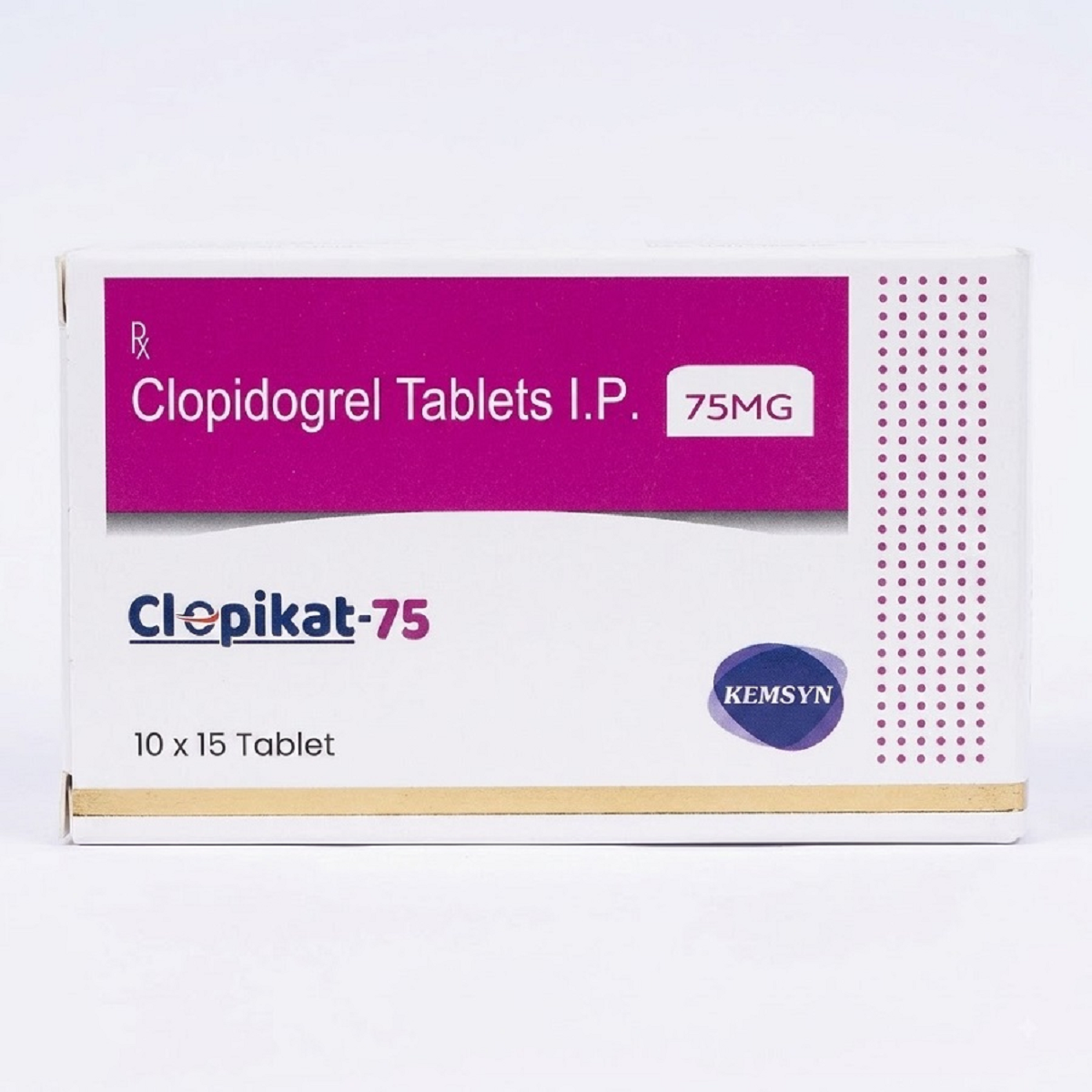
Learn about Clopidogrel 75mg Tablet, including its uses, benefits, how it works, safety precautions, possible side effects, and frequently asked questions.
Clopidogrel 75mg Tablet
Clopidogrel 75mg Tablet is an antiplatelet medicine used to help reduce the risk of harmful blood clots in people with certain cardiovascular conditions. It works by making platelets less likely to stick together and form clots inside blood vessels.
Clopidogrel is commonly prescribed for patients who have experienced conditions such as a heart attack or ischemic stroke, have peripheral arterial disease, or have undergone certain coronary procedures such as stent placement.
Because clopidogrel affects blood clotting, it should be taken only according to a healthcare professional's instructions. Stopping treatment without medical advice can increase the risk of serious cardiovascular events in some patients.
Sky High Medex provides pharmaceutical sourcing and international supply support subject to applicable prescription, import, export, and destination-country regulations.
What Is Clopidogrel 75mg?
Clopidogrel belongs to a class of medicines called antiplatelet agents. It is a prodrug that is converted in the body into an active metabolite that inhibits the platelet P2Y12 ADP receptor.
The 75mg strength is a commonly used maintenance strength for adults when prescribed for appropriate cardiovascular indications.
By reducing platelet activation and aggregation, clopidogrel helps prevent platelets from forming unwanted blood clots.
What Is Clopidogrel 75mg Used For?
Clopidogrel may be prescribed to reduce the risk of cardiovascular events in certain patients.
Medical uses can include:
1. Prevention of Heart Attack
Clopidogrel may be used in appropriate patients with coronary artery disease or after certain acute coronary events to reduce the risk of further clot-related complications.
2. Prevention of Ischemic Stroke
For selected patients, clopidogrel can help reduce the risk of another ischemic stroke caused by a blood clot.
3. Peripheral Arterial Disease
Clopidogrel may be prescribed for people with peripheral arterial disease to reduce the risk of cardiovascular events.
4. After Coronary Stent Placement
Following certain coronary interventions, clopidogrel may be prescribed alongside another antiplatelet medicine for a defined period to reduce the risk of a clot forming inside the stent.
The exact treatment plan depends on the patient's condition and should be determined by a qualified healthcare professional.
How Does Clopidogrel Work?
Platelets are small blood cells that help stop bleeding. When activated, they can stick together and contribute to the formation of a blood clot.
Clopidogrel blocks the platelet P2Y12 receptor, reducing ADP-mediated platelet activation and aggregation.
This antiplatelet effect helps reduce the likelihood of unwanted clot formation within arteries.
Because the medicine affects platelet function for the lifespan of affected platelets, its effects do not disappear immediately after a dose is stopped.
Potential Benefits of Clopidogrel 75mg
When prescribed for an appropriate cardiovascular indication, clopidogrel can provide important preventive benefits.
Helps Reduce Blood-Clot Formation
Clopidogrel decreases platelet aggregation, helping reduce the formation of unwanted arterial clots.
Supports Secondary Cardiovascular Prevention
In appropriately selected patients, it can reduce the risk of future cardiovascular events.
Helps Protect After Certain Procedures
Clopidogrel can play an important role in preventing thrombotic complications following certain coronary interventions.
Oral Tablet Form
The 75mg tablet provides a convenient oral dosage form for long-term antiplatelet therapy when prescribed.
Clopidogrel and Aspirin
Clopidogrel is sometimes prescribed together with aspirin, particularly after certain acute coronary events or coronary stent procedures. This approach is known as dual antiplatelet therapy (DAPT).
However, combining antiplatelet medicines increases bleeding risk. The duration and combination should therefore be determined by a healthcare professional.
Patients should not add aspirin or another blood-thinning medicine to clopidogrel treatment without discussing it with their doctor or pharmacist.
Important Safety Information
Clopidogrel reduces the blood's ability to form clots. As a result, bleeding is an important safety consideration.
Patients should:
- Take clopidogrel exactly as prescribed.
- Avoid stopping treatment without medical advice.
- Inform healthcare professionals that they are taking clopidogrel before surgery or dental procedures.
- Tell their doctor about any history of bleeding disorders.
- Inform their healthcare provider about all prescription medicines, over-the-counter products, and supplements.
- Seek medical attention for unexplained or severe bleeding.
Signs that may require urgent medical evaluation include vomiting blood, black or bloody stools, severe unexplained bruising, prolonged bleeding, or sudden neurological symptoms.
Common Side Effects
Possible adverse effects of clopidogrel may include:
- Easy bruising
- Nosebleeds
- Diarrhea
- Abdominal discomfort
- Headache
- Bleeding that takes longer than usual to stop
Serious adverse reactions are uncommon but can occur. Patients should seek prompt medical attention if they develop severe bleeding, allergic reactions, or symptoms suggesting a serious blood disorder.
Clopidogrel and Surgery
Because clopidogrel inhibits platelet function, it can increase bleeding during surgery or invasive procedures.
Do not stop clopidogrel on your own. The decision to temporarily discontinue treatment must be made by the healthcare professional managing the patient's cardiovascular condition.
This is especially important for people who have recently received a coronary stent, because premature discontinuation may increase the risk of stent thrombosis.
Clopidogrel Drug Interactions
Some medicines can affect the effectiveness or safety of clopidogrel.
Of particular importance are certain medicines that inhibit the CYP2C19 enzyme, because clopidogrel requires metabolic activation through this pathway.
Patients should tell their healthcare professional if they take:
- Acid-reducing medicines
- Anticoagulants
- Other antiplatelet medicines
- Nonsteroidal anti-inflammatory drugs (NSAIDs)
- Certain antidepressants
- Herbal supplements
- Other prescription medicines
A healthcare professional can determine whether an alternative medicine or additional monitoring is appropriate.
Who Should Exercise Extra Caution?
Medical advice is particularly important for people with:
- Active bleeding
- A history of stomach or intestinal bleeding
- Bleeding disorders
- Liver disease
- Recent or planned surgery
- A history of certain blood disorders
- Other medicines that increase bleeding risk
Clopidogrel is not appropriate for every patient. The prescribing healthcare professional should evaluate the individual's medical history before treatment.
Why Choose Sky High Medex?
Sky High Medex supports pharmaceutical sourcing and international supply while emphasizing responsible handling and compliance with applicable pharmaceutical regulations.
Our services may include:
- Pharmaceutical product sourcing
- Wholesale procurement
- Bulk supply
- International export support
- Product documentation assistance
- Packaging support
- Customer service
Availability of prescription medicines depends on applicable prescription requirements, import regulations, export requirements, and destination-country laws.
Frequently Asked Questions (FAQs)
What is Clopidogrel 75mg Tablet?
Clopidogrel 75mg Tablet is an antiplatelet medicine that reduces platelet aggregation and helps lower the risk of certain blood-clot-related cardiovascular events.
What is Clopidogrel 75mg used for?
It may be prescribed for secondary prevention following certain heart attacks or ischemic strokes, for peripheral arterial disease, and following certain coronary procedures such as stent placement.
How does clopidogrel work?
Clopidogrel inhibits the platelet P2Y12 ADP receptor after conversion to its active metabolite. This reduces platelet activation and aggregation.
Is Clopidogrel 75mg a blood thinner?
Clopidogrel is commonly described as a "blood thinner," but technically it is an antiplatelet medicine, not an anticoagulant. It works by reducing platelet aggregation rather than directly inhibiting clotting factors.
Can Clopidogrel be taken with aspirin?
In certain medical situations, doctors prescribe clopidogrel together with aspirin. However, the combination increases bleeding risk and should only be used according to a healthcare professional's instructions.
What are the common side effects of Clopidogrel?
Bruising, nosebleeds, diarrhea, abdominal discomfort, headache, and prolonged bleeding can occur. Serious bleeding requires prompt medical attention.
Can I stop Clopidogrel 75mg suddenly?
Patients should not stop clopidogrel without medical advice. In particular, stopping it prematurely after coronary stent placement may increase the risk of serious clotting complications.
Does clopidogrel increase bleeding?
Yes. Because it reduces platelet aggregation, bleeding can occur more easily or take longer to stop.
Can Clopidogrel affect surgery?
Yes. Clopidogrel can increase bleeding during surgery or invasive procedures. Patients should tell their surgeon and dentist that they are taking it and should never discontinue it without medical guidance.
Can Clopidogrel interact with other medicines?
Yes. Some medicines can increase bleeding risk or interfere with clopidogrel activation. A healthcare professional should review all medicines and supplements before treatment.
Is Clopidogrel 75mg available internationally?
Availability and dispensing requirements vary by country. Prescription, import, export, and pharmaceutical regulations must be followed in the destination market.
Does Sky High Medex supply Clopidogrel 75mg Tablets?
Sky High Medex can provide information regarding pharmaceutical sourcing and availability subject to applicable prescription, import, export, and destination-country requirements.
Conclusion
Clopidogrel 75mg Tablet is an important antiplatelet medicine used to help prevent harmful arterial blood clots in appropriately selected patients. By inhibiting platelet activation and aggregation, it can reduce the risk of certain heart attacks, ischemic strokes, and other cardiovascular complications.
Because clopidogrel increases bleeding risk and can interact with other medicines, it should be taken exactly as prescribed. Patients should not discontinue treatment independently, particularly after coronary stent placement or other high-risk cardiovascular procedures.
Sky High Medex supports responsible pharmaceutical sourcing and international supply while emphasizing compliance with applicable laws and regulatory requirements.