
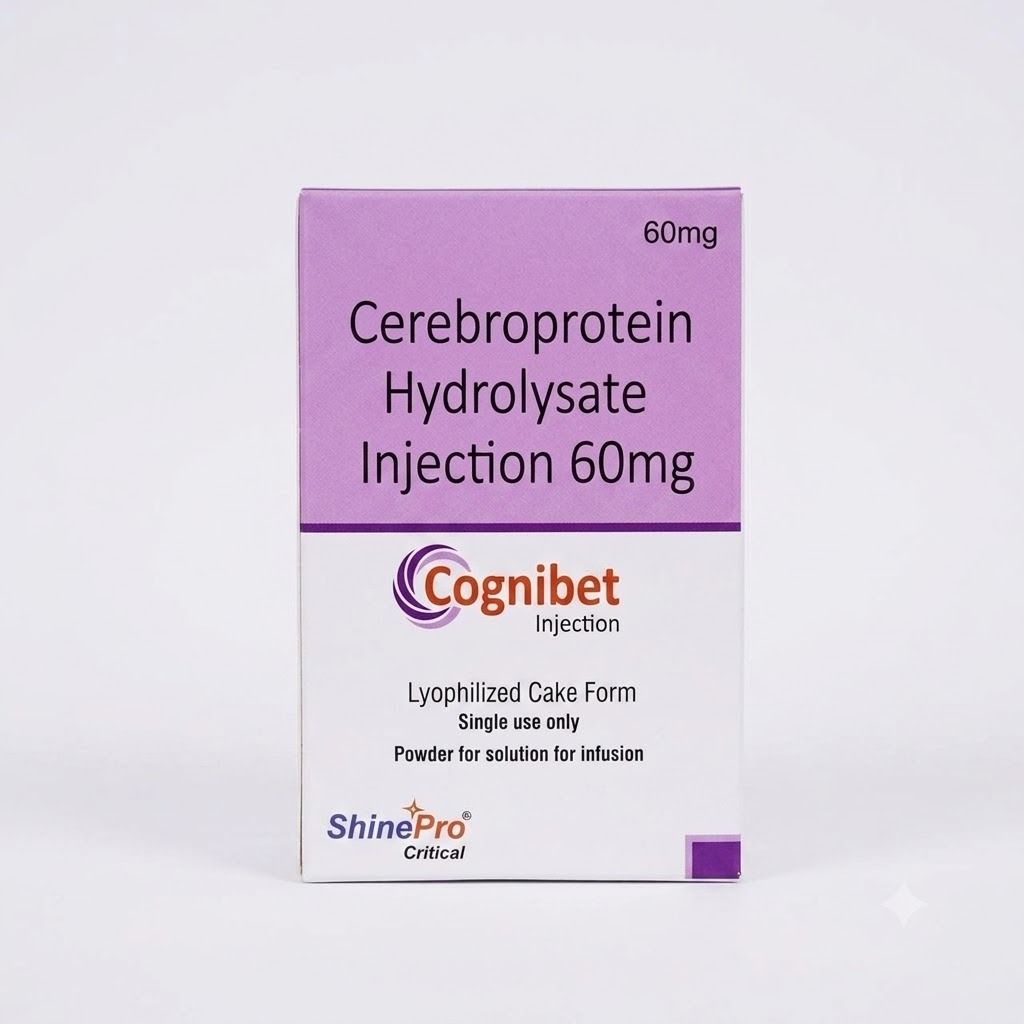
Learn about Cerebroprotein Hydrolysate 60 mg Injection, including its potential neurological uses, benefits, safety considerations, administration, side effects, and FAQs.
Cerebroprotein Hydrolysate 60 mg Injection
Cerebroprotein Hydrolysate 60 mg Injection is an injectable pharmaceutical preparation containing cerebroprotein hydrolysate. Products in this category are used in some markets as part of treatment approaches for neurological and cerebrovascular conditions.
Cerebroprotein hydrolysate preparations are composed of peptides or low-molecular-weight protein fragments and are investigated or used for their potential effects on neuronal function and recovery. However, the exact composition, approved indications, evidence base, and regulatory status can differ substantially between products and countries.
For example, clinical research has evaluated cerebroprotein hydrolysate preparations in neurological rehabilitation and other settings, while product-specific prescribing information determines the approved uses of a particular injection.
Sky High Medex provides pharmaceutical product information and sourcing support subject to applicable prescription, import, export, and destination-country regulations.
Important: This is an informational article, not a recommendation to self-treat neurological disease. Injectable cerebroprotein hydrolysate should only be administered under appropriate medical supervision and according to the specific product's approved information.
What Is Cerebroprotein Hydrolysate 60 mg Injection?
Cerebroprotein hydrolysate is a preparation containing biologically derived peptides or protein fragments intended for parenteral administration.
The term 60 mg refers to the labeled amount or strength of the active preparation in the specific product. Because formulations vary between manufacturers, the product label should be checked carefully for:
- Active ingredients
- Peptide or protein concentration
- Injection volume
- Route of administration
- Approved indications
- Storage requirements
- Manufacturer information
It is important not to assume that every product marketed as "cerebroprotein hydrolysate" is identical to another product.
What Is Cerebroprotein Hydrolysate Injection Used For?
The clinical use of cerebroprotein hydrolysate depends on the specific formulation and the regulations of the country where it is approved.
Products containing cerebroprotein hydrolysate have been studied or used in connection with neurological conditions such as:
- Cerebrovascular disorders
- Neurological recovery after stroke
- Cognitive disorders
- Traumatic brain injury
- Neurological rehabilitation
Evidence is product-specific. For example, published research has investigated cerebroprotein hydrolysate in neurological recovery after cerebral ischemia, including experimental and clinical settings.
Some related peptide-based preparations, such as Cerebrolysin, have specific approved indications in certain countries for cerebrovascular disorders, stroke, dementia, and craniocerebral trauma. These indications should not automatically be attributed to every cerebroprotein hydrolysate product.
How Does Cerebroprotein Hydrolysate Work?
The proposed actions of cerebroprotein hydrolysate are related to the biological activity of its peptide components.
Research has investigated potential effects involving:
- Neuronal survival
- Neuroplasticity
- Cellular signaling
- Recovery of neurological function
- Brain tissue repair mechanisms
- Vascular and neuronal responses following cerebral injury
Some experimental studies have reported changes in neurological recovery and vascular remodeling following cerebroprotein hydrolysate treatment.
However, laboratory and animal findings should not be interpreted as proof that an injectable product will produce the same benefit in every human patient.
Potential Benefits of Cerebroprotein Hydrolysate 60 mg Injection
When used for an appropriate indication and under medical supervision, potential therapeutic objectives may include:
Support for Neurological Rehabilitation
Some clinical research has evaluated cerebroprotein hydrolysate as an adjunct to rehabilitation. A 2025 prospective study investigated cerebroprotein hydrolysate I together with rehabilitation training in young children with provisional intellectual developmental disorder and reported improvements in several developmental measures, although further research is needed.
Support Following Neurological Injury
Research has explored cerebroprotein hydrolysate preparations in connection with neurological recovery following cerebral ischemia and other neurological injuries.
Potential Neuroprotective Effects
Experimental research suggests that some cerebroprotein hydrolysate preparations may influence pathways associated with neuronal survival and brain plasticity. These findings remain dependent on the specific preparation and clinical context.
Possible Role as an Adjunctive Treatment
Where approved, these preparations may be used alongside standard medical management or rehabilitation rather than as a replacement for established treatment.
Cerebroprotein Hydrolysate and Stroke Recovery
Stroke requires immediate conventional medical management.
Some cerebroprotein hydrolysate preparations have been investigated as adjuncts to post-stroke rehabilitation, rather than replacements for emergency stroke treatment.
Research has reported potential effects on neurological recovery and vascular changes in experimental ischemic stroke models.
Patients experiencing possible stroke symptoms should receive emergency medical evaluation rather than attempting treatment with cerebroprotein hydrolysate at home.
Cerebroprotein Hydrolysate and Neurological Rehabilitation
Neurological rehabilitation can involve:
- Physical therapy
- Occupational therapy
- Speech therapy
- Cognitive rehabilitation
- Medical management
- Nutritional and supportive care
If a cerebroprotein hydrolysate preparation is prescribed, it should be considered within the overall treatment plan established by the treating healthcare professional.
Cerebroprotein Hydrolysate 60 mg Dosage
There is no universal dosage recommendation for every product labeled Cerebroprotein Hydrolysate 60 mg.
The appropriate dose depends on:
- Specific formulation
- Approved indication
- Patient age
- Medical condition
- Route of administration
- Kidney and liver function
- Other medicines
- Treatment response
- Local prescribing information
Patients should not determine the injection dose themselves.
The manufacturer's product information and the prescribing healthcare professional should determine the appropriate administration schedule.
How Is Cerebroprotein Hydrolysate Injection Administered?
The route of administration depends on the specific product.
Some cerebroprotein hydrolysate formulations are administered parenterally under professional supervision. The product label should be consulted to determine whether the particular formulation is intended for intravenous, intramuscular, or another approved route.
A qualified healthcare professional should prepare and administer the injection using appropriate sterile technique.
Possible Side Effects
The adverse-effect profile depends on the exact formulation and patient.
Possible reactions associated with injectable peptide or protein preparations may include:
- Injection-site discomfort
- Headache
- Dizziness
- Nausea
- Sweating
- Gastrointestinal discomfort
- Changes in blood pressure
- Allergic or hypersensitivity reactions
Clinical studies of specific cerebroprotein hydrolysate formulations have reported adverse events, with the frequency depending on the population and preparation studied.
Any severe or unexpected reaction following an injection requires prompt medical attention.
Important Safety Considerations
Before treatment, inform the healthcare professional about:
- Known allergies
- Epilepsy or seizure disorders
- Kidney disease
- Liver disease
- Pregnancy
- Breastfeeding
- Current prescription medicines
- Previous reactions to injectable medicines
Importantly, contraindications are product-specific. For example, the official prescribing information for Cerebrolysin lists hypersensitivity, epilepsy, and severe renal impairment as contraindications. This information should not automatically be applied to a different 60 mg cerebroprotein hydrolysate product.
Cerebroprotein Hydrolysate During Pregnancy
Pregnant patients should not use cerebroprotein hydrolysate injection without specific medical advice.
The safety profile may differ according to the formulation, and adequate clinical information may not be available for every product.
A healthcare professional should evaluate the potential benefits and risks before treatment.
Cerebroprotein Hydrolysate During Breastfeeding
If you are breastfeeding, inform your healthcare provider before receiving cerebroprotein hydrolysate injection.
The decision to use treatment should be based on the specific formulation, clinical indication, and available safety information.
Frequently Asked Questions (FAQs)
What is Cerebroprotein Hydrolysate 60 mg Injection?
It is an injectable preparation containing cerebroprotein hydrolysate at a labeled strength of 60 mg. Its exact composition and approved medical uses depend on the specific manufacturer and formulation.
What is Cerebroprotein Hydrolysate Injection used for?
Depending on the specific product and country, cerebroprotein hydrolysate preparations may be used or investigated as adjunctive treatments in neurological or cerebrovascular conditions and rehabilitation.
Does Cerebroprotein Hydrolysate treat stroke?
It should not be considered a replacement for emergency stroke treatment. Some preparations have been studied as adjuncts to neurological rehabilitation following stroke, but evidence and approved indications vary by product.
What are the potential benefits of cerebroprotein hydrolysate?
Potential therapeutic objectives include supporting neurological rehabilitation and neuronal recovery in selected clinical settings. Evidence varies considerably among different cerebroprotein hydrolysate preparations.
Is Cerebroprotein Hydrolysate the same as Cerebrolysin?
Not necessarily. Cerebrolysin is a specific branded peptide preparation with its own composition and regulatory information. A product labeled cerebroprotein hydrolysate 60 mg may have a different composition and should be evaluated according to its own product documentation.
How is Cerebroprotein Hydrolysate 60 mg administered?
The route depends on the particular formulation. Injectable products should be administered by qualified healthcare professionals according to the manufacturer's approved instructions.
Can I self-inject Cerebroprotein Hydrolysate 60 mg?
Self-administration is not recommended unless specifically authorized and instructed by a qualified healthcare professional for the exact product.
What are possible side effects?
Possible adverse reactions may include injection-site reactions, headache, dizziness, nausea, sweating, and hypersensitivity reactions. The exact profile depends on the formulation.
Is Cerebroprotein Hydrolysate safe for people with epilepsy?
Safety depends on the specific product. Some related cerebroprotein preparations list epilepsy as a contraindication, so patients with seizure disorders should discuss treatment with their healthcare provider before administration.
Can patients with kidney disease use it?
Kidney disease should be disclosed before treatment. Certain cerebroprotein preparations have specific restrictions for severe renal impairment, but the exact contraindications depend on the product.
Can Cerebroprotein Hydrolysate be used during pregnancy?
It should only be considered after medical evaluation because safety information can vary by formulation.
Is Cerebroprotein Hydrolysate 60 mg Injection prescription-only?
Regulatory status varies between countries and products. Patients should follow the requirements applicable in their jurisdiction.
Does Sky High Medex provide Cerebroprotein Hydrolysate 60 mg Injection?
Sky High Medex provides pharmaceutical product information and sourcing support subject to applicable prescription, import, export, and destination-country requirements.
Why Choose Sky High Medex?
Sky High Medex supports pharmaceutical sourcing and supply while recognizing the regulatory requirements applicable to pharmaceutical products.
Our pharmaceutical support may include:
- Product sourcing
- Wholesale procurement
- Bulk supply
- International export support
- Product documentation assistance
- Packaging support
- Customer service
Product availability and shipping conditions depend on destination-country regulations and the legal classification of the medicine.
Conclusion
Cerebroprotein Hydrolysate 60 mg Injection is a specialized injectable preparation associated with neurological and cerebrovascular treatment research and, depending on the formulation and jurisdiction, clinical use.
Research has investigated potential roles in neurological rehabilitation, neuronal recovery, and cerebrovascular conditions, but the evidence and approved indications are product-specific.
For this reason, patients and healthcare professionals should verify the exact composition, approved indications, contraindications, dosage, and administration instructions for the particular 60 mg product.
For pharmaceutical product information and sourcing support, Sky High Medex provides services subject to applicable prescription, import, export, and destination-country regulations.