
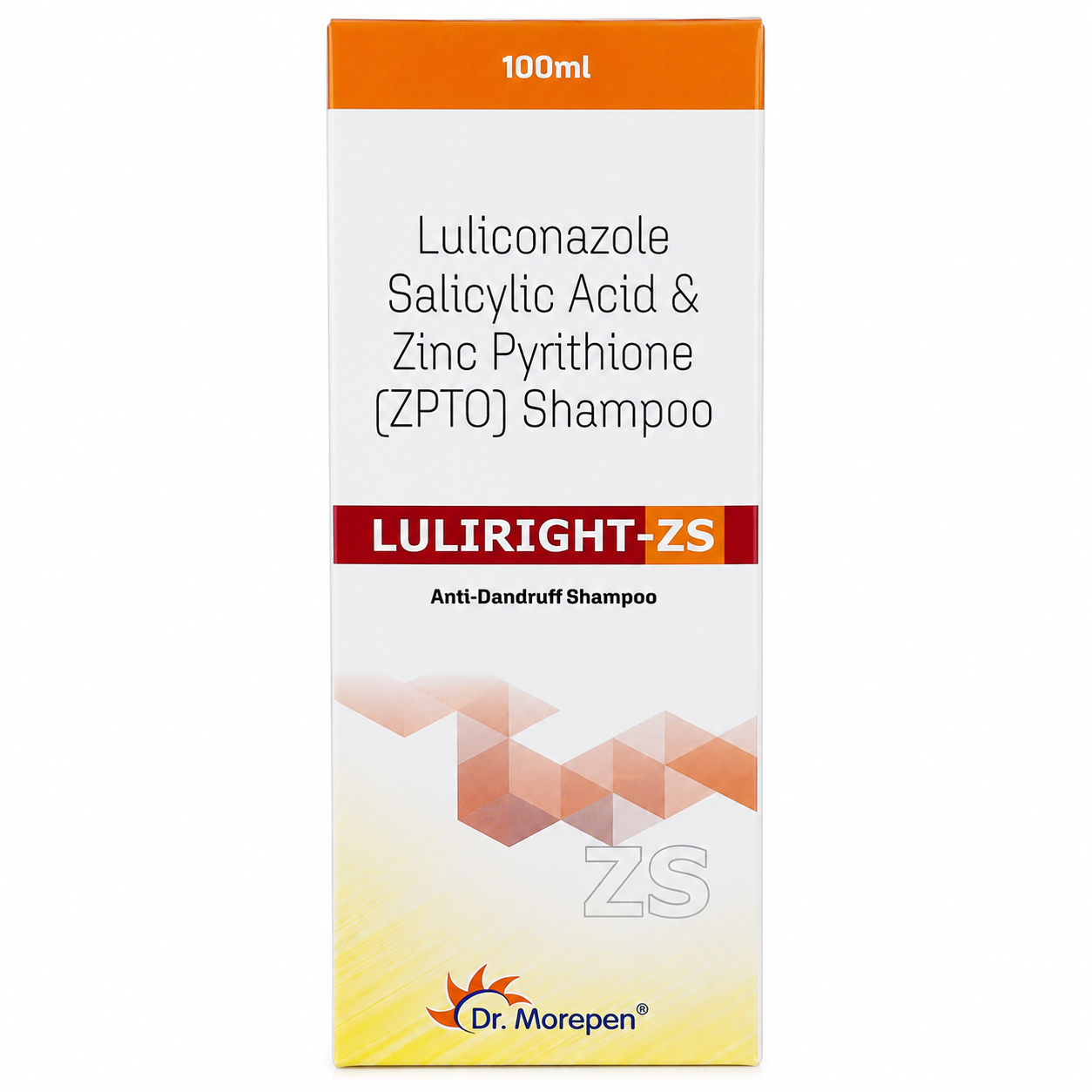
Learn about Luliconazole, Salicylic Acid and Zinc Pyrithione (ZPTO) 100ml, including uses, benefits, how it works, precautions, possible side effects and FAQs.
Luliconazole Salicylic Acid & Zinc Pyrithione (ZPTO) 100ml
Luliconazole Salicylic Acid & Zinc Pyrithione (ZPTO) 100ml is a topical combination formulation designed to support the management of certain fungal skin conditions accompanied by scaling, flaking, or excess skin buildup.
The formulation combines three ingredients with different properties:
- Luliconazole – an antifungal medicine
- Salicylic Acid – a keratolytic agent that helps remove excess scales and dead skin
- Zinc Pyrithione (ZPTO) – an antimicrobial and antifungal ingredient commonly used in topical skin preparations
Together, these ingredients can provide complementary effects when appropriately formulated and used for a suitable dermatological condition.
Sky High Medex supports pharmaceutical product sourcing subject to applicable product, prescription, import, export, and destination-country regulations.
What Is Luliconazole Salicylic Acid & Zinc Pyrithione?
This topical combination contains three active ingredients intended to address different aspects of certain superficial skin disorders.
Luliconazole
Luliconazole is a topical azole antifungal. It works by interfering with fungal growth and is used for certain dermatophyte infections.
Salicylic Acid
Salicylic acid is a keratolytic ingredient. It helps soften and remove excess keratin and dead skin cells, which can reduce scaling and improve penetration of topical preparations.
Zinc Pyrithione (ZPTO)
Zinc pyrithione has antimicrobial and antifungal properties and has traditionally been used in preparations intended to manage scaling and certain superficial fungal or microbial conditions.
What Is This 100ml Formulation Used For?
The appropriate use depends on the specific formulation and its approved product labeling. A combination containing luliconazole, salicylic acid, and zinc pyrithione may be used for certain superficial fungal skin conditions where fungal growth is accompanied by scaling or excessive keratin buildup.
Potential dermatological applications may include conditions involving:
- Fungal skin infections
- Scaling associated with superficial fungal conditions
- Flaking and excessive dead-skin accumulation
- Dermatophyte-related skin problems
The exact indication should always be confirmed from the product's approved label or by a qualified healthcare professional.
How Does the Combination Work?
Each component contributes a different action.
1. Luliconazole Targets Fungal Growth
Luliconazole inhibits an enzyme involved in the production of ergosterol, an essential component of fungal cell membranes.
Disruption of ergosterol synthesis weakens the fungal cell membrane and interferes with fungal growth.
2. Salicylic Acid Helps Remove Scale
Salicylic acid loosens and removes accumulated dead skin cells. This keratolytic effect can help reduce thick scaling and improve the condition of the skin surface.
3. Zinc Pyrithione Provides Antimicrobial Activity
Zinc pyrithione has antifungal and antimicrobial properties and can contribute to controlling microorganisms associated with certain scaling skin conditions.
The combination therefore addresses both fungal activity and surface scaling.
Potential Benefits
Helps Manage Certain Fungal Skin Infections
Luliconazole provides targeted antifungal activity against susceptible fungi responsible for certain superficial skin infections.
Helps Reduce Scaling
Salicylic acid can help loosen excessive dead skin and reduce visible scaling.
Supports Cleaner Skin Surface
The keratolytic action of salicylic acid may help remove accumulated skin debris.
Complementary Ingredients
The three ingredients have different mechanisms, allowing a formulation to address fungal growth and associated scaling simultaneously.
Convenient Topical Application
A topical liquid preparation can be convenient for application to affected areas when prescribed or recommended for the appropriate condition.
Conditions That May Involve Fungal Infection
Superficial fungal infections can affect different areas of the body.
Common examples include:
- Tinea corporis (ringworm)
- Tinea cruris (jock itch)
- Tinea pedis (athlete's foot)
- Other dermatophyte infections
However, not every rash or itchy skin condition is fungal. Conditions such as eczema, psoriasis, bacterial infections, and allergic dermatitis can produce similar symptoms.
Correct diagnosis is therefore important before beginning antifungal treatment.
How to Use a Topical Antifungal Product
Use the product exactly according to its approved instructions or healthcare professional's recommendation.
General topical-use principles include:
- Clean and gently dry the affected area.
- Apply the recommended amount to the affected skin.
- Avoid contact with the eyes and mucous membranes.
- Wash hands after application unless the hands themselves are being treated.
- Continue treatment for the prescribed duration.
Do not apply more frequently or use larger amounts than recommended.
Important Precautions
Before using a formulation containing luliconazole, salicylic acid, and zinc pyrithione, consider the following precautions:
- For external use unless specifically directed otherwise.
- Avoid contact with eyes.
- Do not apply to severely irritated or damaged skin unless advised by a healthcare professional.
- Do not cover the treated area with an occlusive dressing unless instructed.
- Stop use and seek medical advice if severe irritation develops.
- Keep away from children.
- Follow the manufacturer's storage instructions.
People with known allergies to any component should discuss alternatives with a healthcare professional.
Possible Side Effects
Topical preparations can sometimes cause local reactions.
Possible effects include:
- Mild burning
- Stinging
- Redness
- Itching
- Dryness
- Skin irritation
- Peeling
Salicylic acid may cause additional irritation, particularly when applied excessively or to sensitive or damaged skin.
If severe swelling, blistering, intense burning, or an allergic reaction occurs, discontinue use and seek appropriate medical attention.
Luliconazole and Skin Care
During treatment for a fungal skin infection, good skin hygiene can support recovery.
Helpful practices include:
- Keep affected areas clean and dry.
- Change socks and clothing regularly.
- Avoid sharing towels, clothing, or personal items.
- Wear breathable footwear when appropriate.
- Wash and dry towels and clothing regularly.
- Avoid scratching affected areas.
These measures can help reduce moisture and minimize the opportunity for fungal organisms to spread.
Why Proper Diagnosis Matters
A persistent itchy or scaly rash is not necessarily a fungal infection.
Using antifungal products unnecessarily can delay appropriate treatment for another dermatological condition.
Medical evaluation is particularly useful when:
- Symptoms are severe.
- The rash is spreading.
- Treatment does not produce improvement.
- The affected area is extensive.
- The face, scalp, nails, or genitals are involved.
- The patient is very young or immunocompromised.
- Repeated fungal infections occur.
A healthcare professional may use clinical examination or laboratory testing to confirm the diagnosis.
Storage and Handling
Storage requirements depend on the specific manufacturer's formulation.
As a general precaution:
- Keep the container tightly closed.
- Store according to the temperature specified on the label.
- Protect the product from excessive heat and moisture.
- Keep it away from direct sunlight when required by the label.
- Keep out of reach of children.
- Do not use after the expiration date.
Always follow the manufacturer's packaging instructions.
Why Choose Sky High Medex?
Sky High Medex supports pharmaceutical and healthcare product sourcing with an emphasis on responsible supply and applicable regulatory requirements.
Our services may include:
- Pharmaceutical product sourcing
- Wholesale procurement
- Bulk supply
- International export support
- Product documentation assistance
- Packaging support
- Customer service
Availability of medicines and topical preparations can vary by country and may be subject to prescription, import, export, and regulatory requirements.
Frequently Asked Questions (FAQs)
What is Luliconazole Salicylic Acid & Zinc Pyrithione (ZPTO) 100ml?
It is a topical combination formulation containing luliconazole, salicylic acid, and zinc pyrithione. It is intended for certain superficial fungal or scaling skin conditions, depending on the approved product indication.
What is Luliconazole used for?
Luliconazole is a topical antifungal medicine used to treat certain dermatophyte fungal infections.
What does Salicylic Acid do in this formulation?
Salicylic acid acts as a keratolytic. It helps loosen and remove dead skin cells and excessive scaling from the skin surface.
What is Zinc Pyrithione (ZPTO)?
Zinc pyrithione is an ingredient with antimicrobial and antifungal properties that has been used in topical preparations for certain scaling and superficial skin conditions.
What are the benefits of this combination?
The combination can provide antifungal activity while also helping address scaling and excess dead skin. The suitability of the combination depends on the specific diagnosis and product formulation.
Can this product treat all types of skin rashes?
No. Many skin conditions can resemble fungal infections. A healthcare professional should confirm the diagnosis when the cause of a rash is uncertain.
Can it be applied to the face?
Use on the face should only be undertaken if the specific product is approved for facial use or a healthcare professional recommends it. Salicylic acid and other active ingredients can irritate sensitive facial skin.
Can it be used on broken skin?
Avoid applying the product to severely damaged or broken skin unless specifically instructed by a healthcare professional.
What are the common side effects?
Possible local effects include redness, itching, dryness, burning, stinging, irritation, and peeling.
How long does a fungal infection take to improve?
The timeframe varies according to the type and severity of infection, the treatment used, and individual factors. Treatment should be continued for the duration specified by the product label or healthcare professional.
Should treatment continue after symptoms improve?
Follow the prescribed or labeled treatment duration. Stopping treatment prematurely can contribute to incomplete resolution of an infection.
Can I share my antifungal medicine with another person?
No. A similar-looking rash may have a completely different cause. Medicines should not be shared between individuals.
Does Sky High Medex supply Luliconazole Salicylic Acid & Zinc Pyrithione 100ml?
Sky High Medex can provide information regarding product sourcing and availability subject to applicable pharmaceutical, prescription, import, export, and destination-country requirements.
Conclusion
Luliconazole Salicylic Acid & Zinc Pyrithione (ZPTO) 100ml is a topical combination designed to provide complementary antifungal, keratolytic, and antimicrobial effects. Luliconazole targets susceptible fungal organisms, salicylic acid helps reduce excess scaling, and zinc pyrithione contributes antimicrobial and antifungal activity.
Because different skin conditions can produce similar symptoms, proper diagnosis is important before using a combination antifungal product. Always follow the approved product instructions and seek professional advice when symptoms are severe, persistent, or worsening.
Sky High Medex supports responsible pharmaceutical product sourcing while emphasizing compliance with applicable regulations.