
Learn about Cephalexin Capsules IP 250 mg (Cephaxin 250), including uses, benefits, how it works, precautions, possible side effects, and frequently asked questions.
Cephalexin Capsules IP 250 mg – Cephaxin 250
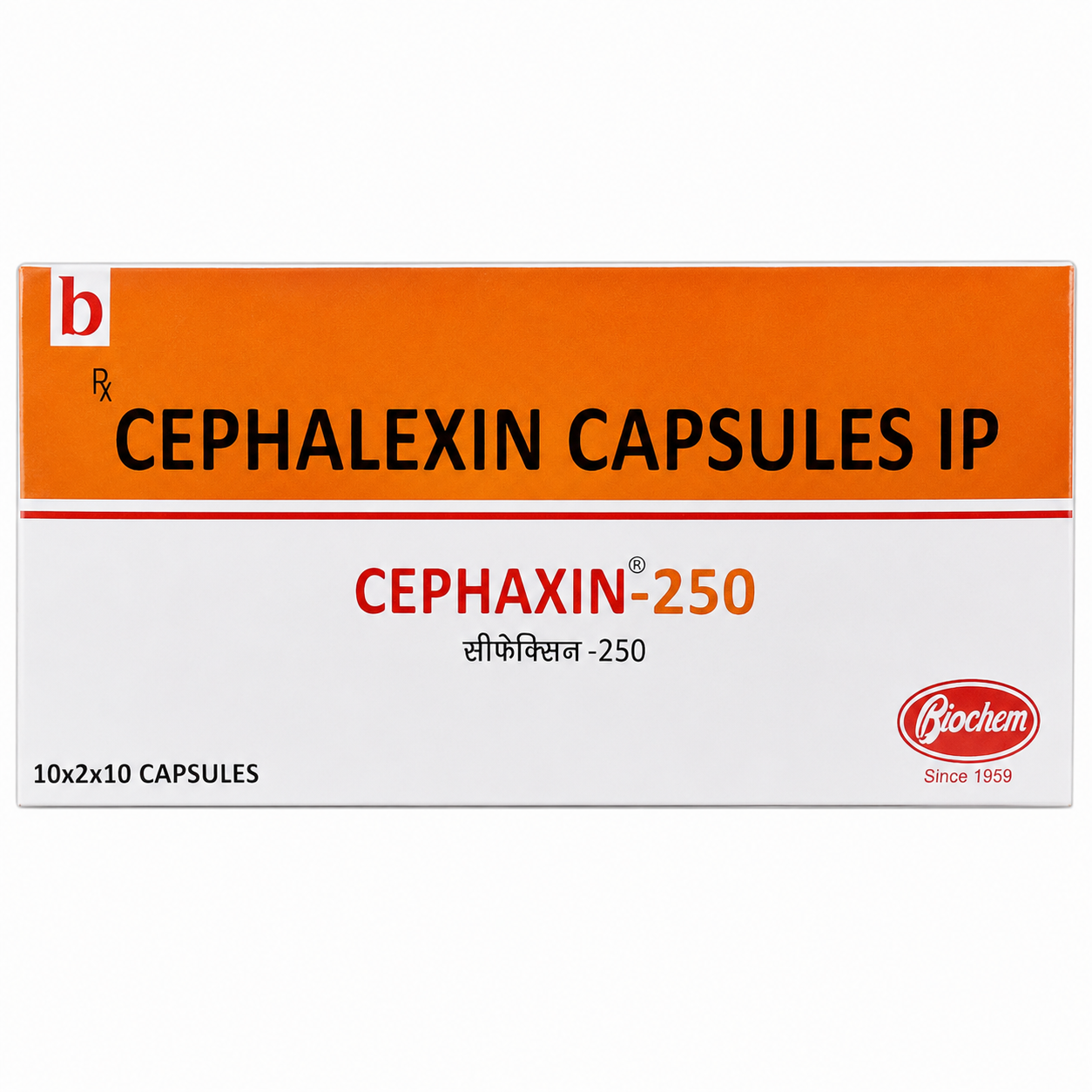
Cephalexin Capsules IP 250 mg, commonly marketed under brand names such as Cephaxin 250, contain cephalexin, a first-generation cephalosporin antibiotic. It is used to treat certain bacterial infections when the causative bacteria are susceptible to cephalexin.
Cephalexin works by interfering with bacterial cell-wall formation, helping stop susceptible bacteria from growing and multiplying.
At Sky High Medex, pharmaceutical products are sourced and supplied subject to applicable prescription, import, export, and destination-country regulations.
Important: Cephalexin is an antibiotic and should be used only when prescribed or recommended by a qualified healthcare professional. It does not treat viral infections such as the common cold or influenza.
What Is Cephalexin 250 mg?
Cephalexin 250 mg is an oral antibiotic belonging to the cephalosporin class of antibacterial medicines.
The term IP refers to the Indian Pharmacopoeia, the official standards framework for medicines in India. The exact appearance, inactive ingredients, and packaging of Cephaxin 250 may vary by manufacturer.
The 250 mg strength indicates the amount of cephalexin contained in each capsule.
What Is Cephaxin 250 Used For?
Cephalexin may be prescribed for certain infections caused by susceptible bacteria. Depending on the clinical situation and local prescribing guidance, uses can include:
1. Respiratory Tract Infections
Cephalexin may be used for selected bacterial respiratory infections when the responsible organism is susceptible.
2. Skin and Soft-Tissue Infections
It may be prescribed for certain bacterial infections affecting the skin and soft tissues.
3. Urinary Tract Infections
Cephalexin can be used for some bacterial urinary tract infections when appropriate based on the suspected or confirmed organism.
4. Bone Infections
In selected circumstances, cephalexin may be used against susceptible bacteria associated with bone infections.
5. Certain Ear Infections
Healthcare professionals may prescribe cephalexin for specific bacterial ear infections when clinically appropriate.
The choice of antibiotic should be based on the suspected infection, local resistance patterns, patient factors, and professional clinical judgment.
How Does Cephalexin Work?
Cephalexin is a beta-lactam antibiotic.
Susceptible bacteria require a strong cell wall to survive. Cephalexin interferes with enzymes involved in bacterial cell-wall synthesis.
As bacterial cell-wall construction is disrupted, susceptible bacteria become unable to maintain their structural integrity and may die.
Because antibiotics act on bacteria rather than viruses, cephalexin is not effective against viral illnesses.
Potential Benefits of Cephalexin 250 mg
Treats Susceptible Bacterial Infections
When the causative bacteria are susceptible, cephalexin can effectively treat a range of bacterial infections.
Oral Capsule Form
Cephaxin 250 is available as an oral capsule, providing a convenient route of administration when oral antibiotic treatment is appropriate.
Established Cephalosporin Antibiotic
Cephalexin has been used clinically for many years and is an established member of the first-generation cephalosporin antibiotic class.
Useful Against Certain Gram-Positive Bacteria
Cephalexin has activity against a number of susceptible Gram-positive organisms and selected Gram-negative bacteria.
However, bacterial resistance varies, so the antibiotic should be selected appropriately.
Cephalexin for Skin Infections
Cephalexin is commonly considered for certain bacterial skin and soft-tissue infections.
Symptoms of bacterial skin infection can include:
- Redness
- Swelling
- Warmth
- Pain or tenderness
- Pus or drainage
- Skin lesions that become increasingly inflamed
Not every skin infection requires an oral antibiotic. A healthcare professional should determine whether antibiotic treatment is appropriate.
Cephalexin for Urinary Tract Infections
Cephalexin may be prescribed for selected urinary tract infections caused by susceptible bacteria.
Common UTI symptoms can include:
- Burning during urination
- Frequent urination
- Urgent need to urinate
- Lower abdominal discomfort
- Cloudy or unusual-smelling urine
Fever, chills, back or side pain, vomiting, or severe illness may indicate a more serious infection requiring prompt medical assessment.
Cephalexin and Viral Infections
Cephalexin does not treat viruses.
It should not be used to treat:
- Common cold
- Influenza
- Most viral sore throats
- Other viral respiratory infections
Using antibiotics unnecessarily can contribute to antimicrobial resistance and expose patients to avoidable adverse effects.
How to Take Cephalexin Capsules IP 250 mg
Take Cephalexin 250 mg exactly as prescribed by your healthcare professional.
General principles include:
- Take the medicine at the prescribed intervals.
- Swallow capsules with water.
- Follow the prescribed duration of treatment.
- Do not share antibiotics with another person.
- Do not use leftover antibiotics for a future illness.
- If you miss a dose, follow the instructions provided by your healthcare professional or medicine information leaflet.
The appropriate dose and treatment duration vary according to the infection, age, kidney function, and other individual factors.
Why Completing the Prescribed Course Matters
Patients should follow the treatment duration prescribed by their healthcare professional.
Stopping an antibiotic early without professional advice may leave an infection inadequately treated. On the other hand, antibiotics should not be continued beyond the prescribed course unless a healthcare professional specifically recommends it.
If symptoms do not improve or become worse during treatment, contact your healthcare provider.
Possible Side Effects of Cephalexin 250 mg
Like other medicines, cephalexin can cause side effects.
Commonly reported effects may include:
- Nausea
- Diarrhea
- Abdominal discomfort
- Vomiting
- Indigestion
Some people may develop a rash or other allergic-type reactions.
Serious Reactions
Seek urgent medical attention if you develop:
- Difficulty breathing
- Swelling of the face, lips, tongue, or throat
- Severe skin rash
- Blistering or peeling skin
- Severe or persistent diarrhea, particularly if accompanied by abdominal pain or fever
Antibiotic-associated diarrhea can occasionally be caused by Clostridioides difficile and requires medical assessment.
Cephalexin Allergy and Precautions
Tell your healthcare professional if you have previously experienced an allergic reaction to:
- Cephalexin
- Other cephalosporin antibiotics
- Penicillin or other beta-lactam antibiotics
People with a history of severe beta-lactam allergy may require an alternative antibiotic.
Also inform your healthcare provider if you have kidney disease, as dosage adjustment may be necessary.
Cephalexin and Pregnancy
Cephalexin may be prescribed during pregnancy when a healthcare professional determines that treatment is appropriate.
Pregnant individuals should not start antibiotics without professional advice. The benefits and potential risks should be considered based on the infection and individual circumstances.
Cephalexin and Breastfeeding
Cephalexin can pass into breast milk in small amounts.
If you are breastfeeding, inform your healthcare professional before starting treatment. They can advise whether cephalexin is appropriate and whether any monitoring is necessary.
Drug Interactions
Cephalexin may interact with certain medicines.
Tell your doctor or pharmacist about all medicines and supplements you are taking, particularly if you use:
- Other antibiotics
- Certain diuretics
- Medicines affecting kidney function
- Anticoagulants or other medicines requiring monitoring
Do not stop prescribed medicines without professional advice.
Antibiotic Resistance and Responsible Use
Antibiotic resistance is a growing global health concern.
Bacteria can become resistant when antibiotics are used unnecessarily, incorrectly, or when resistant organisms survive treatment.
Responsible antibiotic use means:
- Taking antibiotics only when medically indicated
- Following the prescribed dose
- Following the prescribed schedule
- Not sharing antibiotics
- Not using leftover medication
- Completing the prescribed course unless your healthcare professional tells you otherwise
These practices help preserve antibiotic effectiveness.
Cephalexin 250 mg vs. Other Antibiotics
Cephalexin is not automatically the best antibiotic for every bacterial infection.
The appropriate antibiotic depends on:
- Type and location of infection
- Suspected bacteria
- Culture and sensitivity results when available
- Local antibiotic-resistance patterns
- Allergies
- Kidney function
- Age
- Pregnancy status
- Other medicines being used
A healthcare professional should make the treatment decision.
Frequently Asked Questions (FAQs)
What is Cephaxin 250?
Cephaxin 250 is a brand/product name used for a 250 mg cephalexin capsule in some markets. Always verify the active ingredient and strength on the packaging.
What is Cephalexin Capsules IP 250 mg used for?
Cephalexin is used to treat certain bacterial infections caused by susceptible organisms, including some skin, urinary, respiratory, ear, and other infections.
Is Cephalexin an antibiotic?
Yes. Cephalexin is an oral antibiotic belonging to the first-generation cephalosporin class.
Does Cephalexin treat viral infections?
No. Cephalexin does not treat viruses such as those responsible for colds and influenza.
What is the difference between Cephaxin 250 and cephalexin?
Cephalexin is the active pharmaceutical ingredient, while Cephaxin 250 may be a brand name for a product containing 250 mg of cephalexin. The packaging should be checked to confirm the formulation.
Can Cephalexin be used for a UTI?
It may be prescribed for certain urinary tract infections caused by susceptible bacteria. The choice of antibiotic should be made by a healthcare professional.
Can Cephalexin treat skin infections?
Yes, cephalexin can be prescribed for certain bacterial skin and soft-tissue infections.
How often should Cephalexin 250 mg be taken?
The dosing schedule depends on the infection, patient age, kidney function, and other factors. Follow the prescription rather than using a standard schedule without medical advice.
What happens if I miss a dose?
Follow the missed-dose instructions supplied with your medicine or contact your pharmacist or healthcare professional. Do not routinely double doses to compensate for a missed dose.
What are the common side effects of Cephalexin?
Common effects may include nausea, diarrhea, vomiting, abdominal discomfort, and indigestion.
Can Cephalexin cause an allergic reaction?
Yes. Allergic reactions can occur, particularly in people with sensitivity to cephalosporins or related beta-lactam antibiotics. Severe symptoms require urgent medical attention.
Can I take Cephalexin during pregnancy?
It may be used when clinically indicated, but pregnant individuals should take it only following professional medical advice.
Can I take Cephalexin while breastfeeding?
Cephalexin may be used during breastfeeding in appropriate circumstances. Discuss its use with your healthcare professional.
Is Cephalexin safe for children?
Cephalexin can be prescribed for children in appropriate circumstances, but the dose is generally determined according to factors such as age, body weight, infection, and kidney function.
Can I stop Cephalexin when I feel better?
Do not change or stop the prescribed antibiotic course without consulting your healthcare professional. If you experience significant adverse effects, seek medical advice promptly.
Does Sky High Medex supply Cephalexin Capsules IP 250 mg – Cephaxin 250?
Sky High Medex can provide information regarding pharmaceutical product sourcing and availability subject to applicable prescription, import, export, and destination-country requirements.
Why Choose Sky High Medex?
Sky High Medex supports responsible pharmaceutical sourcing and supply for healthcare products, subject to applicable laws and regulatory requirements.
Our services may include:
- Pharmaceutical product sourcing
- Wholesale procurement
- Bulk supply
- International export support
- Product documentation assistance
- Packaging support
- Customer service
Availability and shipping requirements can vary according to the destination country's regulations and the classification of the medicine.
Conclusion
Cephalexin Capsules IP 250 mg – Cephaxin 250 contain cephalexin, an established first-generation cephalosporin antibiotic used to treat selected bacterial infections when the causative organisms are susceptible.
Its potential uses include certain skin and soft-tissue infections, urinary tract infections, respiratory infections, and other bacterial infections determined appropriate by a healthcare professional. Because antibiotic resistance and individual patient factors influence treatment choices, Cephalexin 250 mg should be used only according to professional medical advice.
For responsible pharmaceutical sourcing and product information, Sky High Medex supports customers subject to applicable prescription, import, export, and destination-country regulations.